 15 Minutes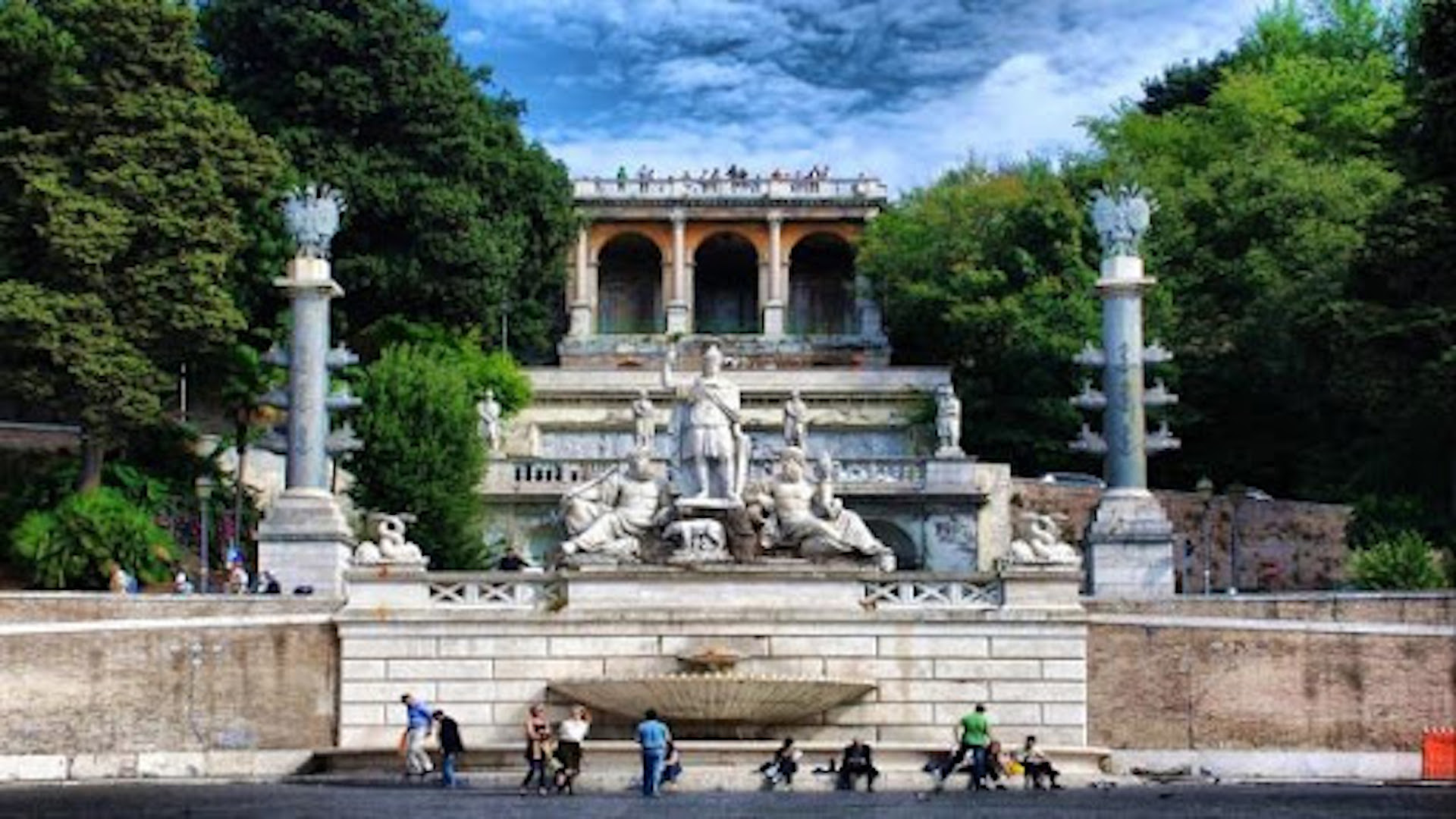
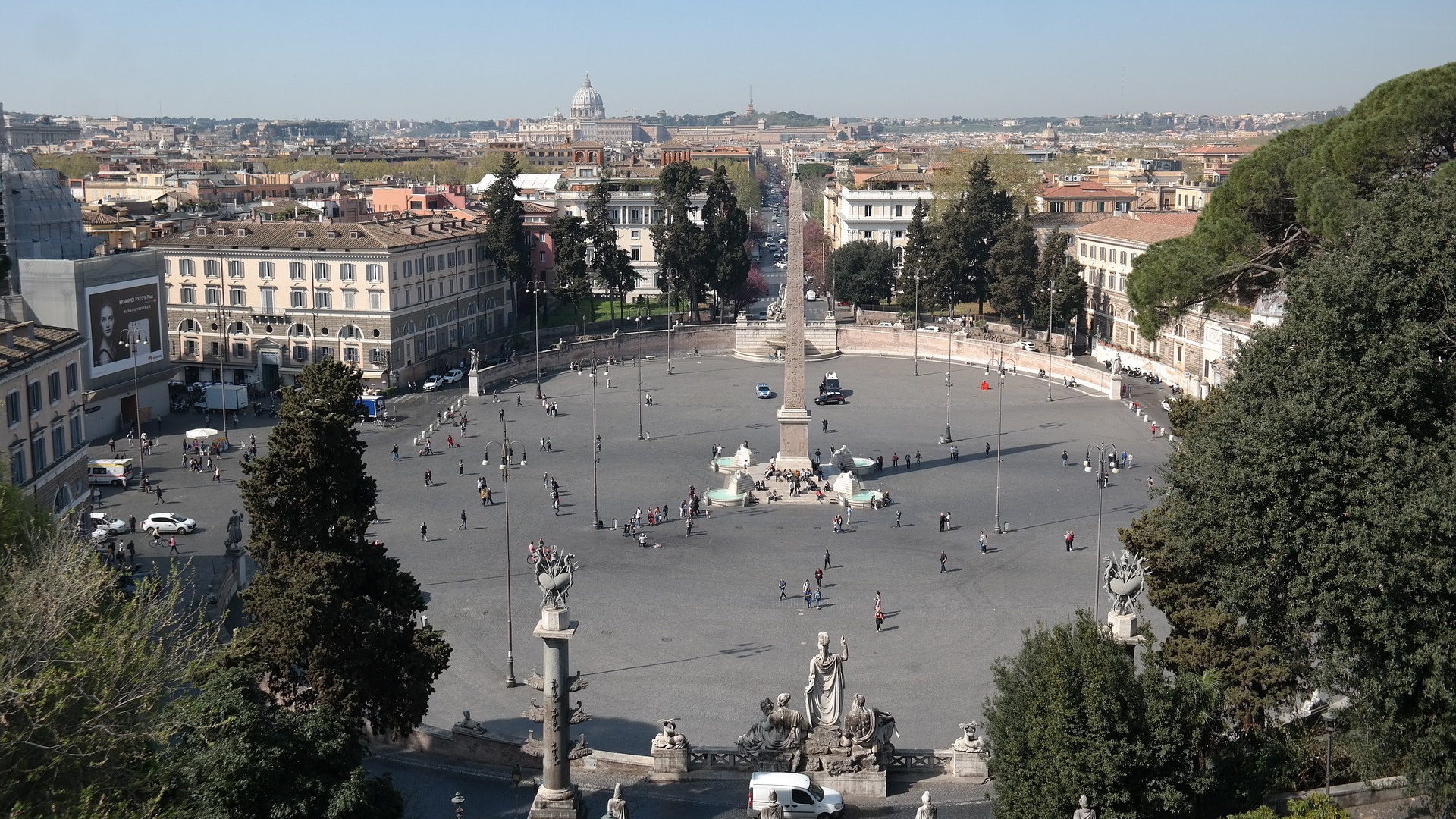
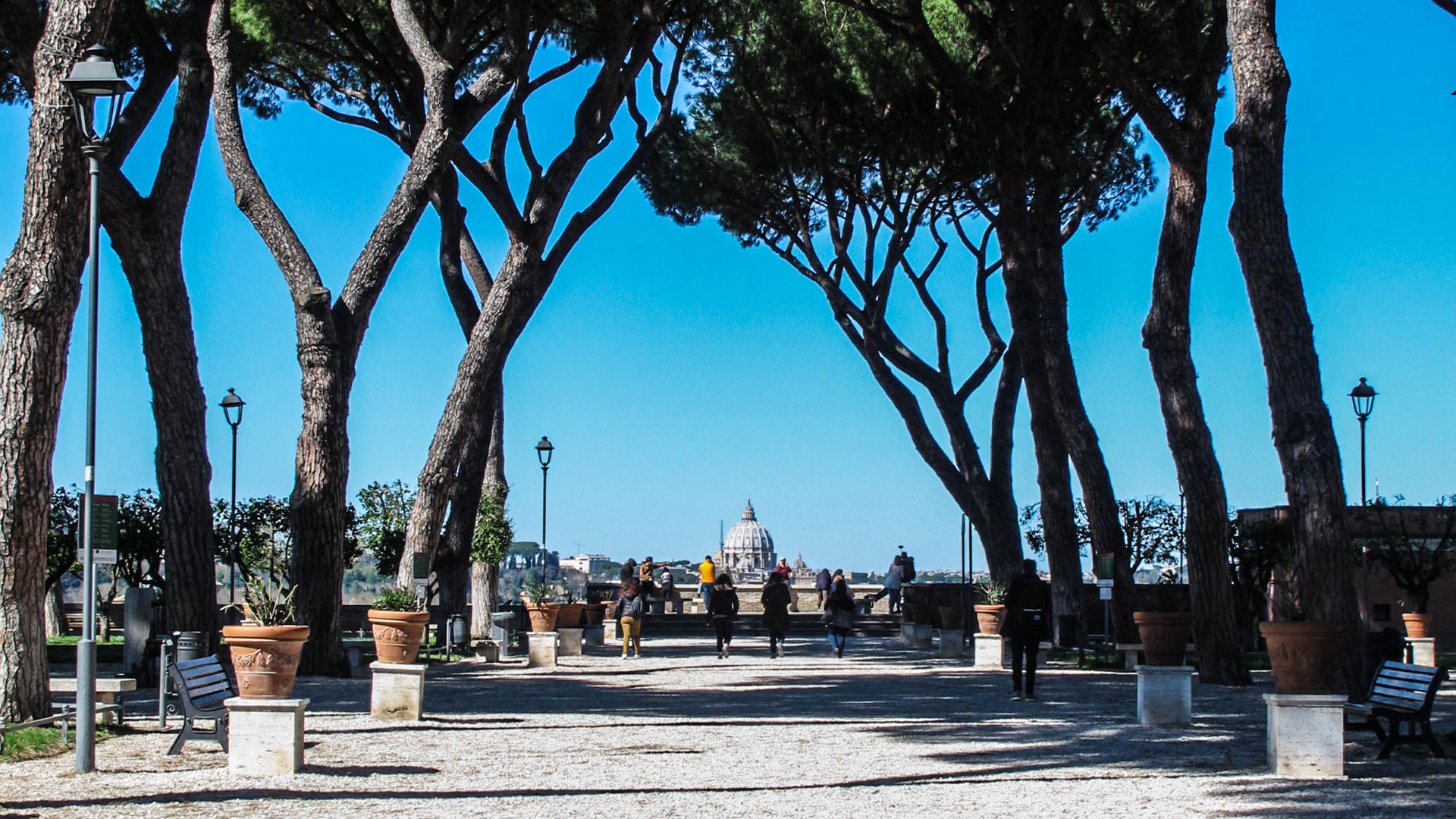
In the afternoon towards sunset, Rome has an unforgettable aspect seen from the terrace of the Pincio, a grandiose public park designed by Giuseppe Valadier (1834) and an urban walk preferred by the citizens.
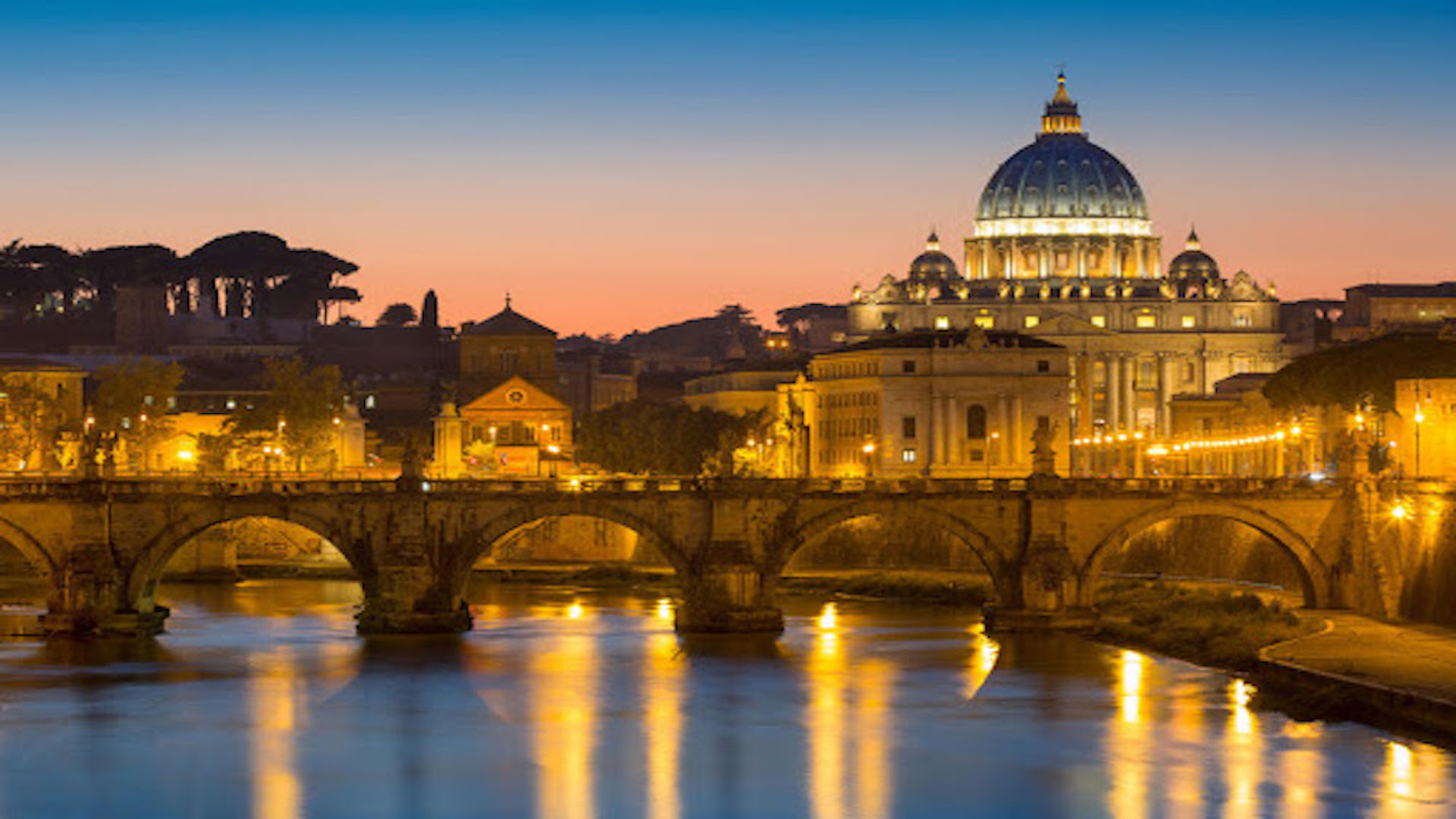
Below there is the spacious Piazza del Popolo, towards which we look out as if on an imposing and lively theater, and looking up, beyond the balustrade the city extends: on the horizon dominates the majestic dome of San Pietro, on the right stands Monte Mario, on the left the Quirinale; in the distance, high on the Janiculum Hill, you can make out the equestrian monument of G. Garibaldi. In the middle stand out, architecturally well delineated, the ancient sixteenth-century palaces.
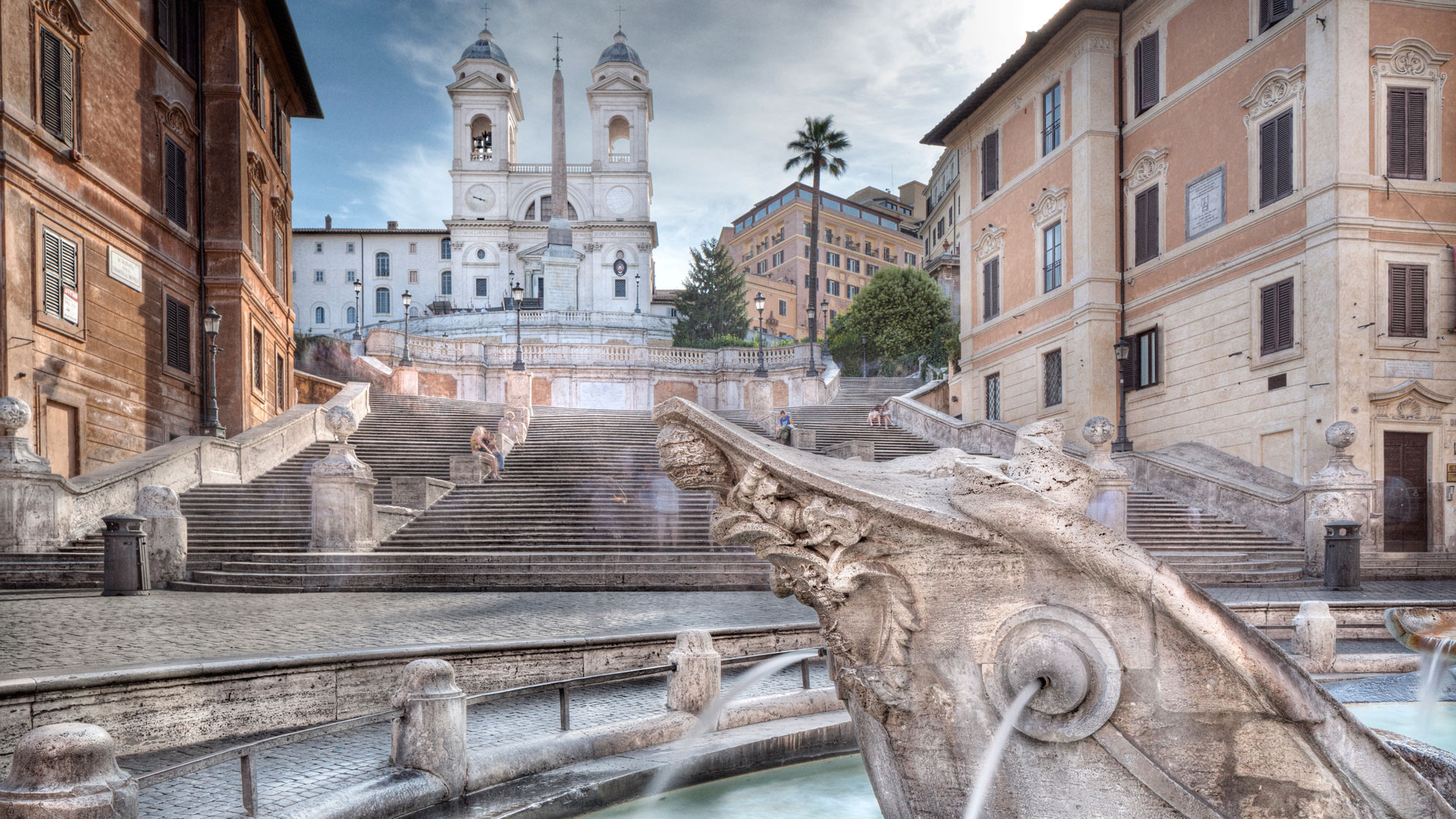
Towards Piazza di Spagna, the visit continues with the panoramic elevations in front of Villa Medici, where there is the cup fountain known as the "Pincio tub", and from the Trinità dei Monti stairway, a grandiose Baroque scenography by Francesco De Sanctis (1723-26). The Pincio promenade can be accessed via the ramps that rise from Piazza del Popolo, from the Viale di Villa Medici which connects it with the Church and the steps of Trinità dei Monti, from the Viale delle Magnolie and from the overpass on the Muro Torto connects since 1908 to Villa Borghese.
The avenues of the promenade had been conceived from the beginning to allow the passage of carriages. The only access that remains strictly pedestrian is the one that opens onto Viale delle Magnolie. The monumental access to the Pincio opens onto Piazza del Popolo, of which it constitutes a sort of scenographic backdrop with three perspectives located on the slopes of the hill. These are connected to each other by small flights of stairs and by the winding and suggestive Via Gabriele D'Annunzio which, bordered by centuries-old trees and embellished by fountains, climbs the slopes of the Pincio.
The first perspective, created in 1830, consists of three niches, in the center of which there is an ancient statue represented by Hygieia, the goddess of health. The second perspective consists of the 1830 bas-relief depicting the Fame crowning the Geniuses of the Arts and Commerce, under which there is a marble seat with two winged lions. The third perspective, on which the Belvedere terrace rests, consists of a covered loggia with three arches which insists on a building in which three niches are inserted.
Here, in 1936, a Nymphaeum was created as an exhibition of the Virgin Water based on a design by Raffaele De Vico, inspired by an idea of ​​Valadier. On this occasion the statue of Vittorio Emanuele which had stood there since 1873 was moved.
The loggia is accessed by two flights of stairs located laterally. Between the first and second perspective, close to the first bend, there is a small oval fountain with a rustic cliff to which an ancient statue known as Dionysus or Hermaphroditus is leaning because, on a body with female features, a head, removed in 1970, depicting a Greek god.
The current arrangement of the fountain is due to Raffaele De Vico who built it in 1936. Continuing the ascent you will find the building of the Convent of Santa Rita and a fountain made with an ancient red granite basin, dating back to II-III. century. Oval in shape, this is decorated with a figure of a lion from which the water comes out, and inserted in a circular basin.
At the end of Viale del Pincio, a small open space opens up where, in 1883, the bronze monument to the brothers Enrico and Giovanni Cairoli, Garibaldi soldiers who died in 1867 at Villa Glori, was erected. Continuing, you reach the Napoleon I square, from whose Belvedere you can enjoy the wonderful panorama. Here begins the theory of illustrious men, the series of 229 commemorative busts placed starting from 1849. Behind the belvedere there is a large open space, on the right side of which is the small statue of Raffaello Sanzio, built in 1838 In line with the square there is a round fountain in the center of which the group representing Moses entrusted to the waters of the Nile was placed in 1868. Continuing on you will come across Viale dell'Orologio where the water clock is located, the mechanism of which is generally attributed to the Dominican father Giovanni Battista Embriago. In 1873, the hydro-timer was placed in its present position: in the center of a small lake, surrounded by an iron gate.
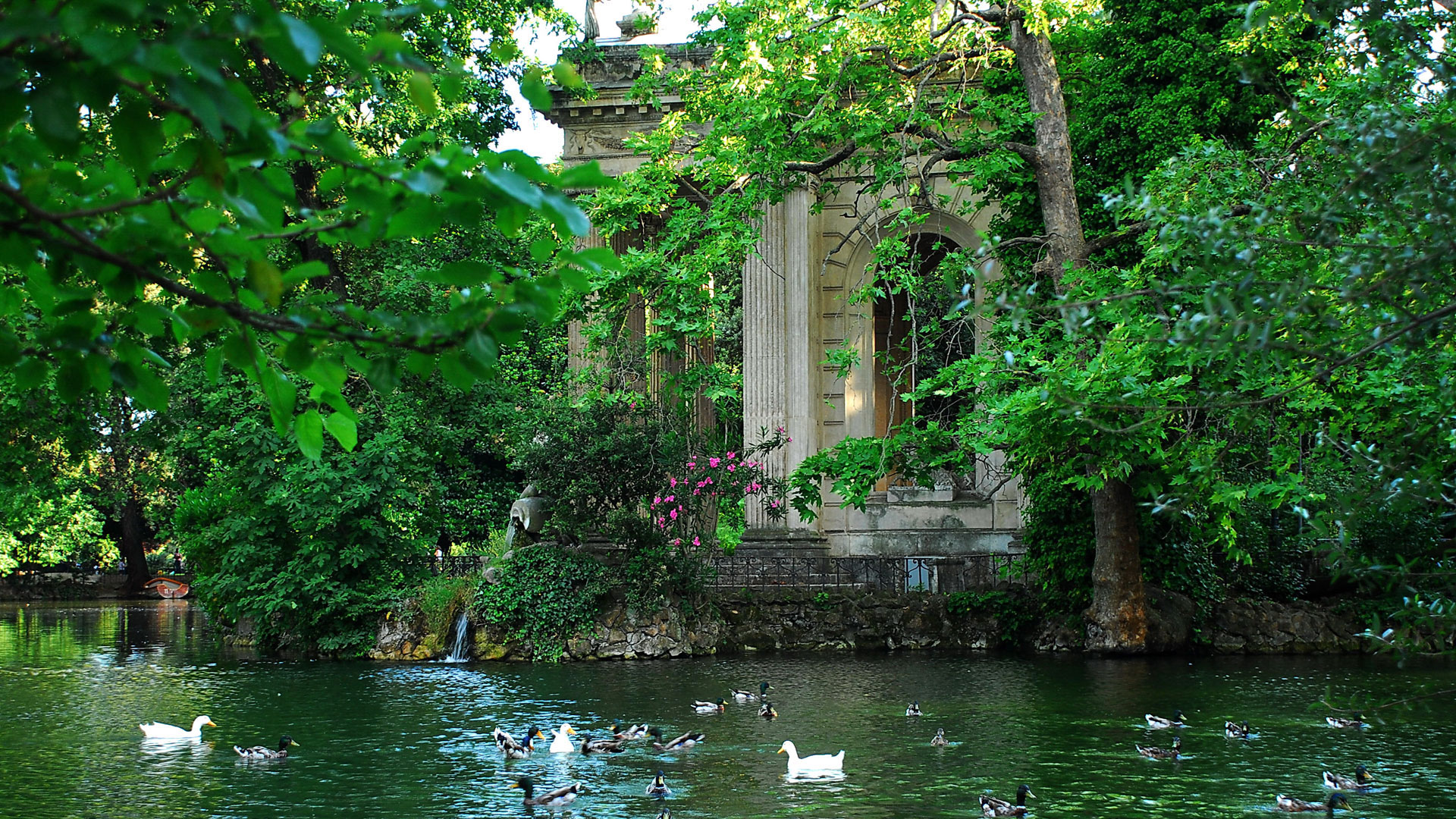
Returning to the square, take Viale del Belvedere on the right which ends in an arboreal exedra in which the bust of Giuseppe Valdier is located. Continuing on you will come across the statue of Aesculapius, made up of a body dating back to the 5th century on which a head was placed which probably dates back to the 4th century.
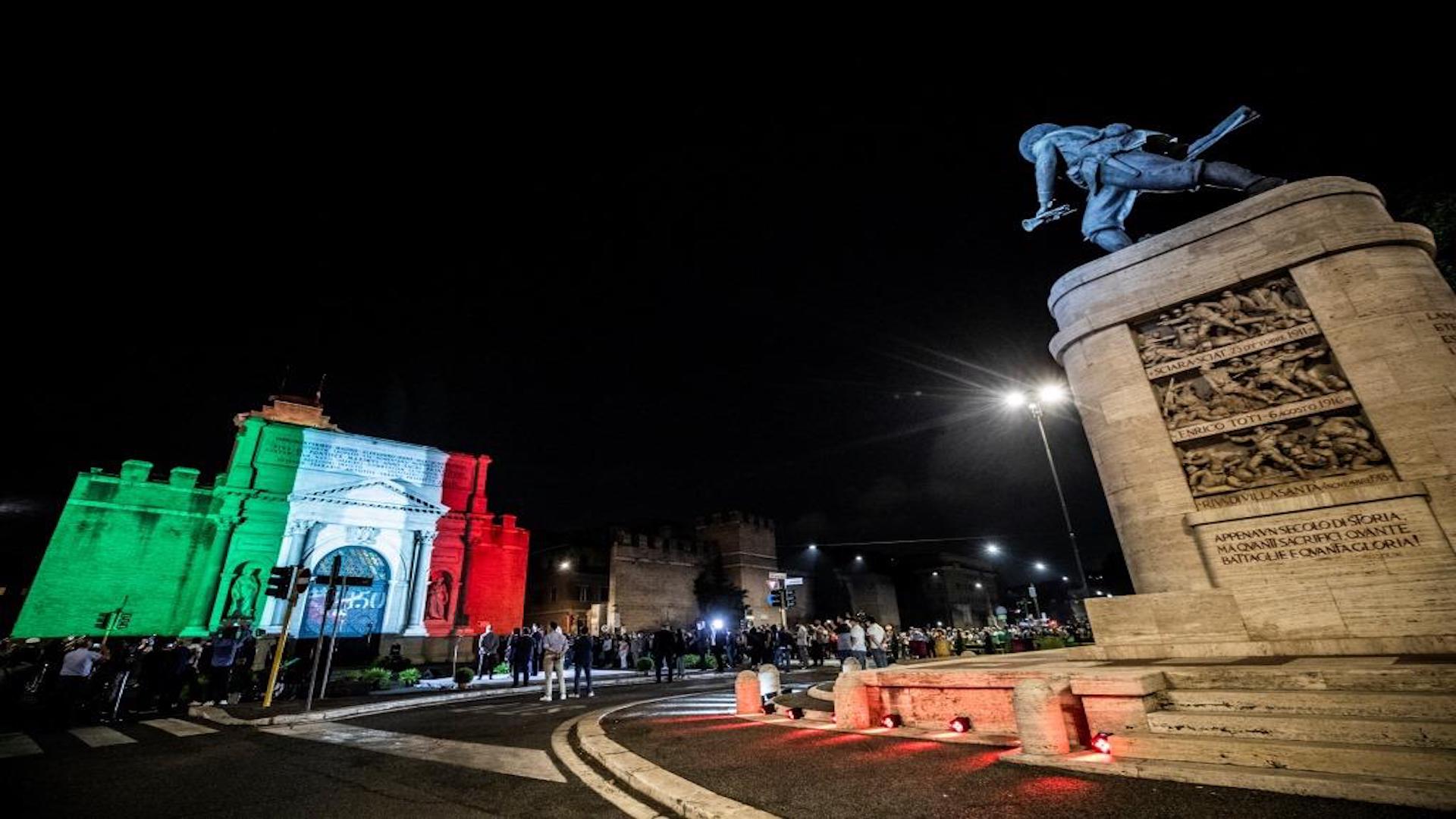
At the end of the avenue was placed the statue of Cybele, referable to the Antoninian age, which together with the statues of Polimnia and dell'Abbondanza, today in front of the entrance of Villa Medici, were kept in the Palazzo dei Conservatori in the Campidoglio. The three statues were transferred to the Pincio in 1846. In 1922, the monument to Enrico Toti was erected.
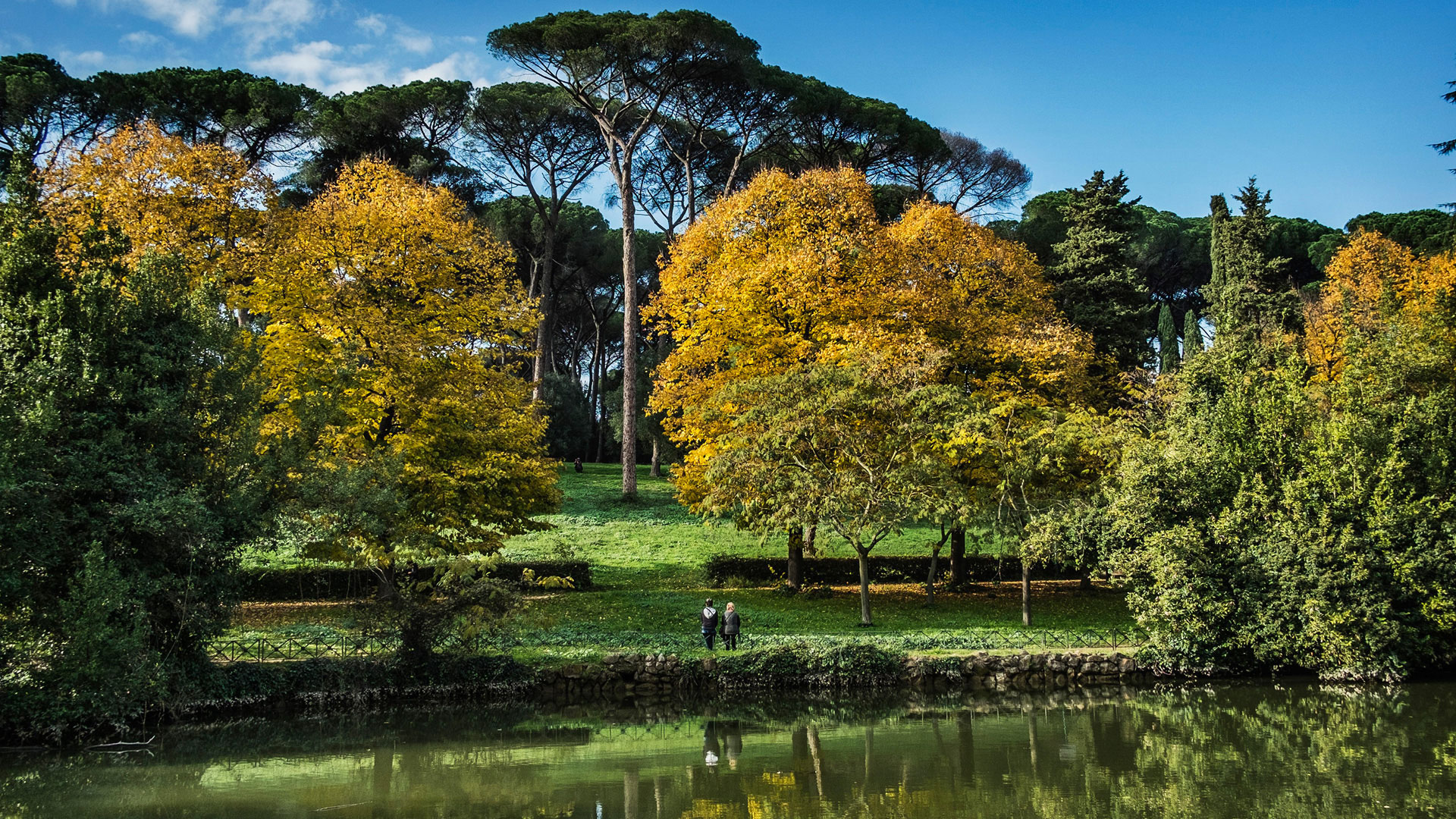
At the end of Viale dell'Orologio, there is a building in which there are two lifts created in 1926 to allow you to go up from the tram stop below. Viale dell'Obelisco is still mostly organized according to the original project by Valadier who had conceived a fusion between the Italian garden and the romantic English garden.
In the middle of the avenue stands the obelisk that the emperor Hadrian had dedicated to his favorite Antinous: found near Porta Maggiore, the obelisk was transported and placed on the Pincio in 1822 at the behest of Pius VII. This whole area is organized according to the Casina Valadier, built in 1813 by Giuseppe Valadier, who renovated the existing Della Rota casino into a café, making it one of the focal points of the walk.
The history of the Pincio The Pincio promenade was built on the hill of the same name, which was already the site of gardens in Roman times. Originally, the Pincio was called "Colle dei Giardini"; later the Gens Pinciana came to live there, from which its modern name derives. Among the Horti del Pincio, those of Locullo were particularly famous, who was the first to build terraced gardens there. On this hill it was built in the fifth century. AD a large imperial palace, the Pinciano. The promenade was built on the hill between 1810 and 1908. In 1814 the Napoleonic empire dissolved but the works on the Pincio, which had already begun according to the plan of the French architect Berthault, continued under the restored papal government and were directed by Valadier.