 7 Minutes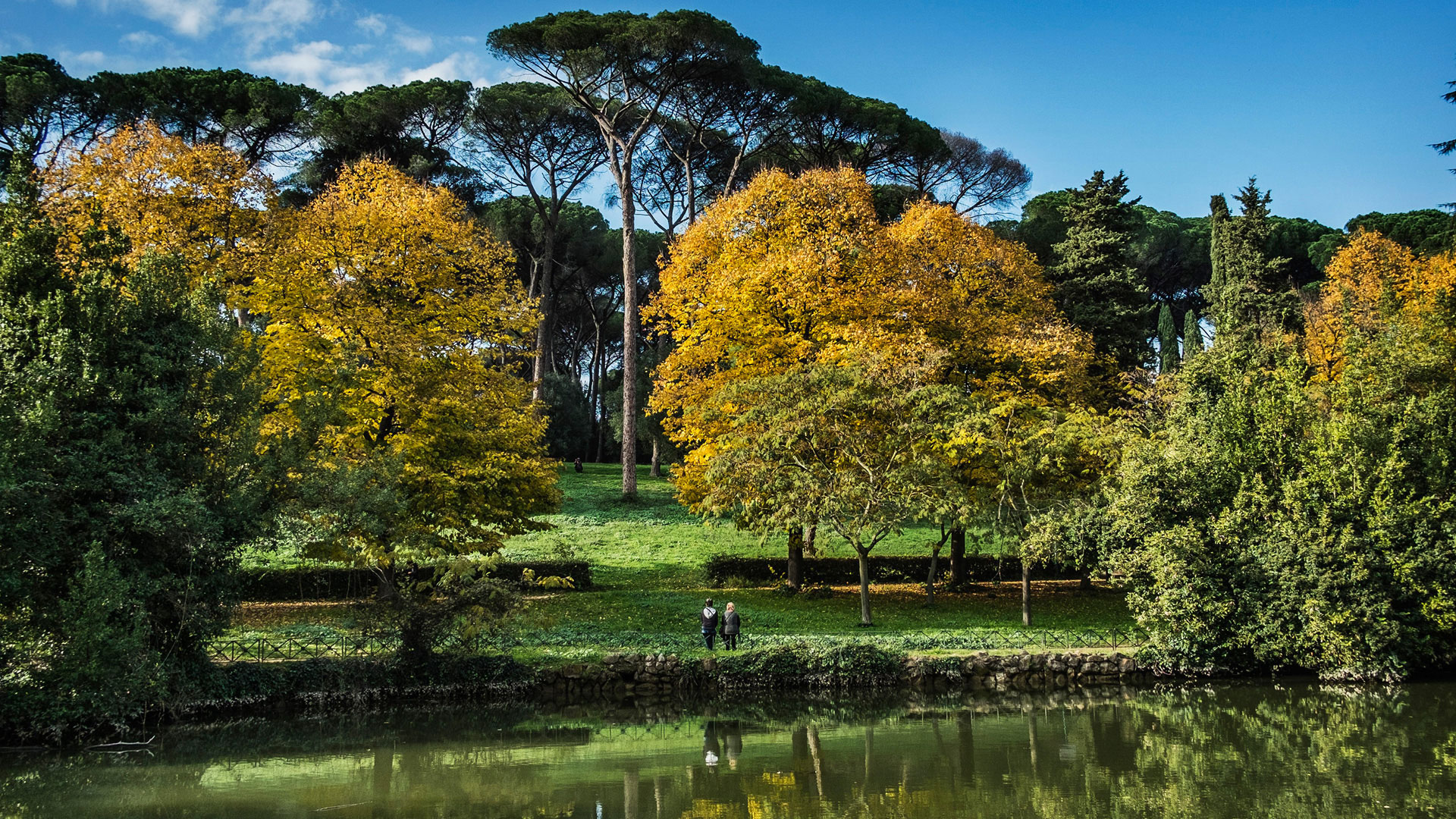
Larger than Villa Borghese and inferior in extension only to the Appia Antica Regional Park and Villa Doria Pamphilj, the urban park located in the northern sector of the city, along Via Salaria, is a magnificent example of a landscaped or English garden. adorned with numerous neoclassical and eclectic buildings. Its 160 hectares also include the remains of Antemnae, one of the oldest cities in Lazio, built on the mountain of the same name in front of the confluence of the Tiber and the Aniene (Antemnae comes from ante amnem, “facing the riverâ € ?? ).
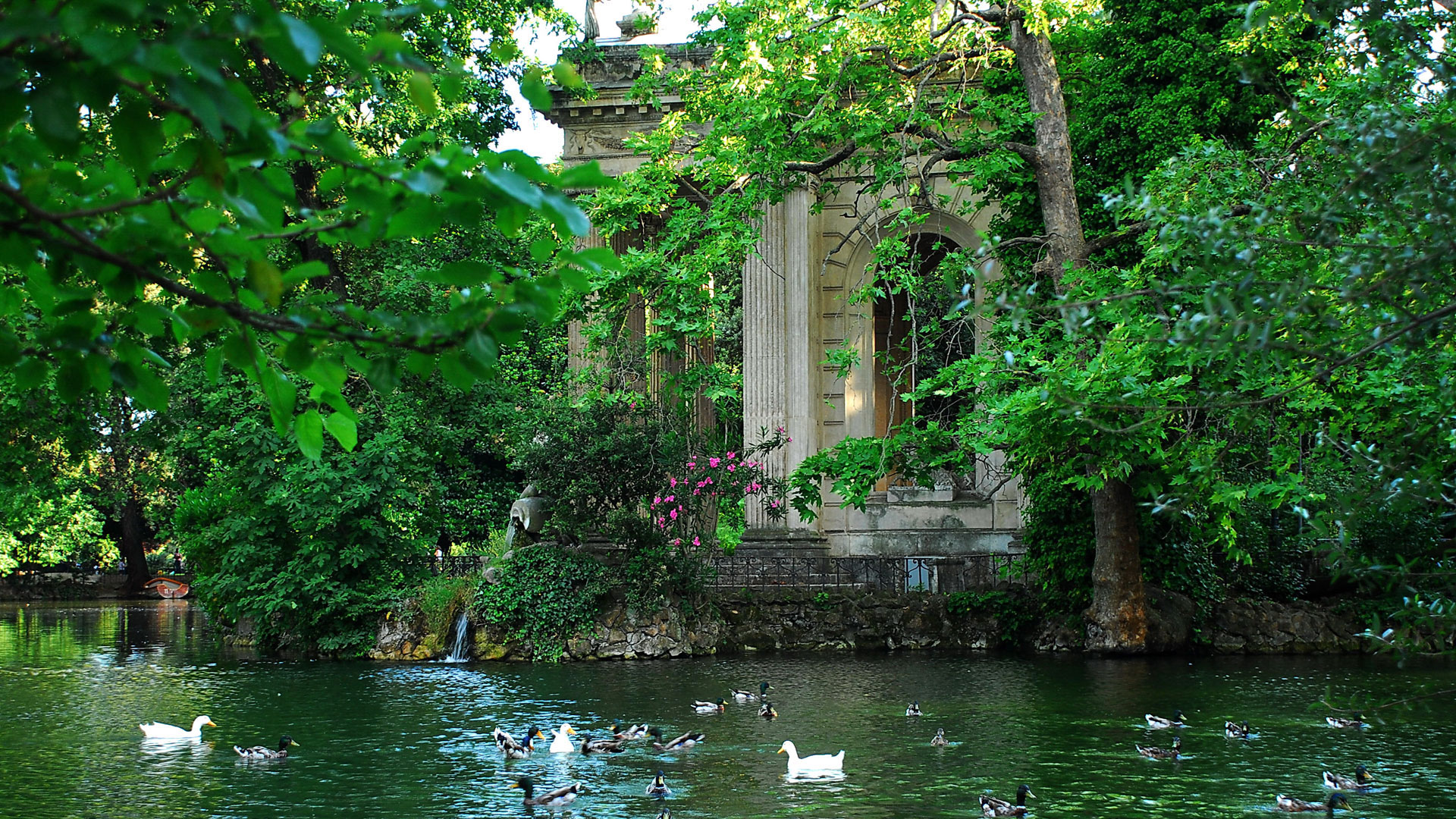
The history of Villa Ada Savoia is linked above all to the House of Savoy who owned it from 1872 to 1878 and again from 1904 to 1946. The Savoy is responsible for the major interventions carried out inside, even if the general layout of the villa is the result of the adjustments made already in the eighteenth century, when the lands were bought by the Pallavicini family. The coffee-house at the Casino Pallavicini, better known as the Temple of Flora, dates back to this phase, overlooking a garden with a cast iron fountain in the center. Passed in 1839 to the Potenziani family, a powerful family of Rieti origin, the villa was finally purchased in 1871 by King Vittorio Emanuele II who, with the transfer of the court to Rome, the new capital of the kingdom, decided to expand it with the purchase of some neighboring vineyards. The property was thus transformed into a rustic English park and in a few years the Casino Nobile, now home to the Embassy of the Arab Republic of Egypt, residential buildings and stables were built. The rural estates were transformed into a grandiose park, populated with exotic plants and embellished with small buildings, such as the Swiss Chalet and the Gothic tower.
In 1878, on the death of Vittorio Emanuele, the villa was sold to Count Giuseppe Tellfner who gave the property the name of his wife, Ada. From 1878 to 1901 the villa remained the property of the count. Vittorio Emanuele III bought back Villa Ada in 1904 and donated it to his wife, Queen Elena. The area towards Mount Antenne took the name of “Bosco regina Elenaâ € ??. In 1904 the monumental portal was built and the villa was enriched with new elements. During the Second World War, in the years 1941-1942, a circular anti-aircraft bunker was built to house the king and his family, open to the public since 2006.
Following the session of the Grand Council and after a meeting with the king, it was precisely at Villa Ada Savoia that Benito Mussolini was arrested on 25 July 1943. With the advent of the Republic and following the inheritance of the royal family, the park is It was opened to the public at various stages, from 1957 to 1996, although some buildings are still private and therefore inaccessible.
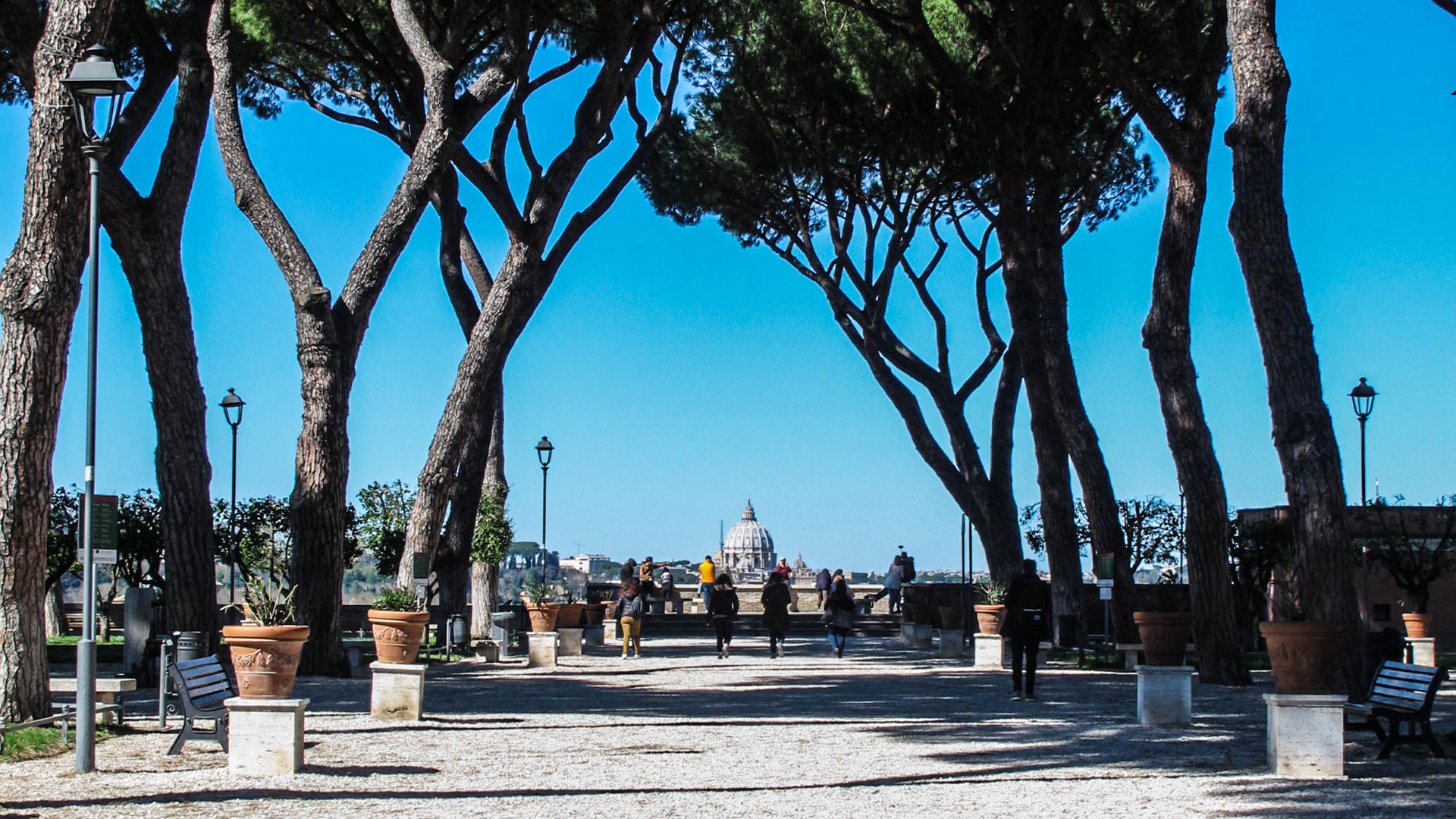
Even if the park is now inserted in the inhabited center of Rome, those who walk around Villa Ada have the impression of being immersed in nature. From the access on via Panama, it is possible to enter woods of pines, holm oaks, laurels and chestnuts, populated by squirrels, hedgehogs, wild rabbits and large communities of birds. This is why Villa Ada Savoia is an ideal place to spend a day in the sun, for jogging or simply for strolling.