 30 Minutes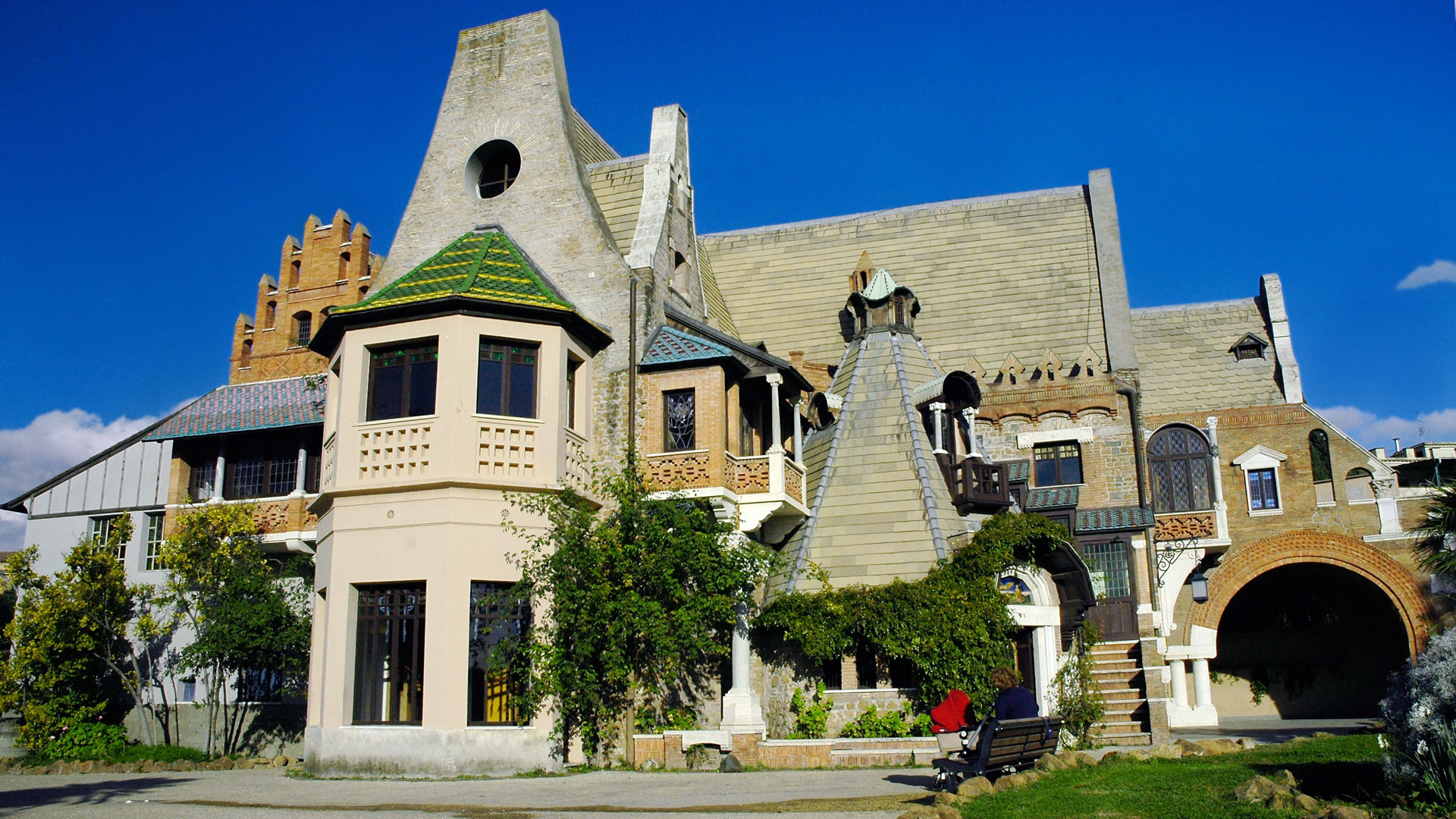
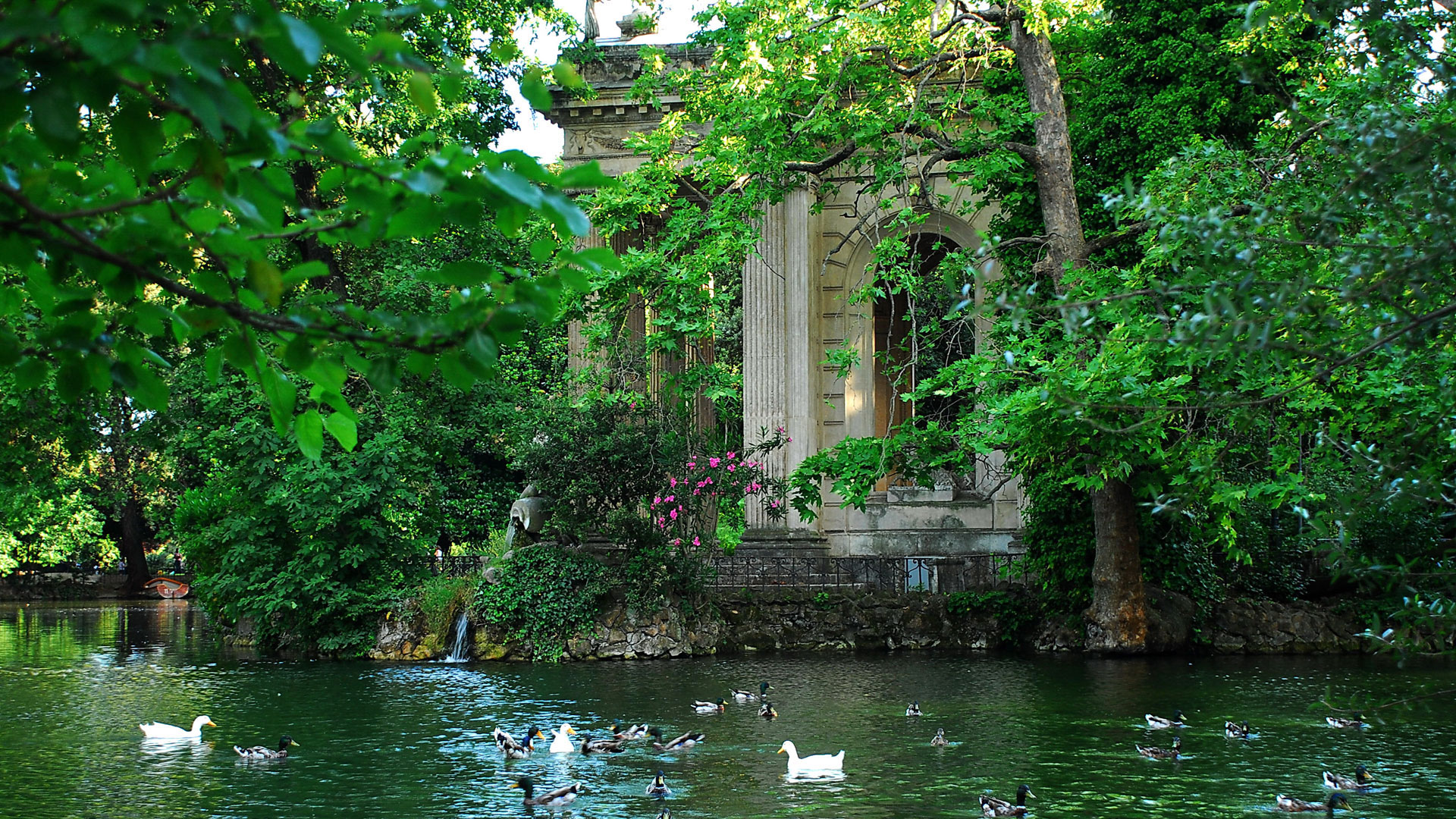
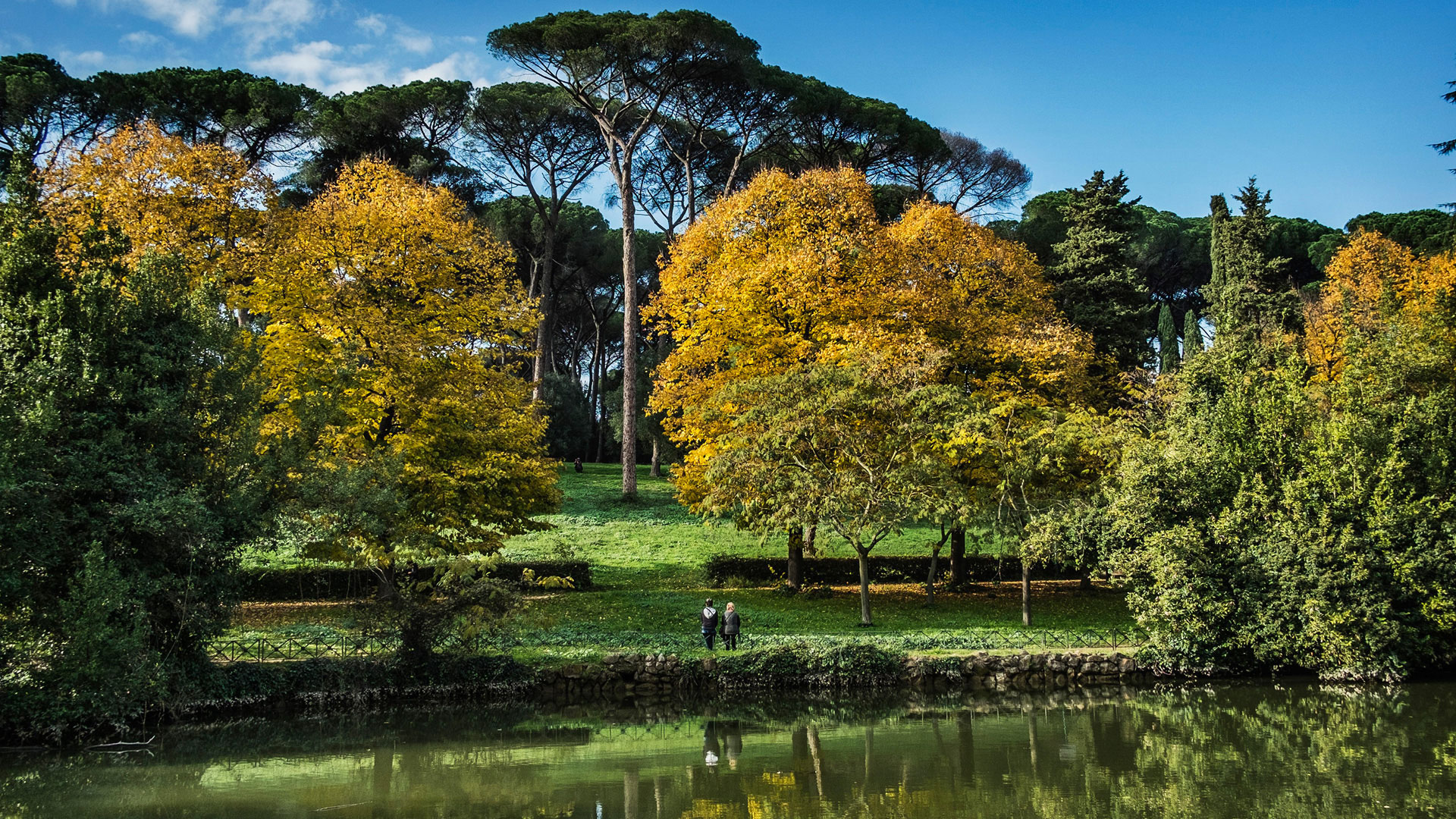
Located along Via Nomentana, Villa Torlonia still retains a particular charm due to the originality of the English landscaped garden and the rich quantity of buildings and artistic furnishings scattered throughout the park. Originally agricultural property of the Pamphilj family, it was purchased at the end of the eighteenth century by the banker Giovanni Torlonia who commissioned Giuseppe Valadier to transform the rural estate into his own residence.
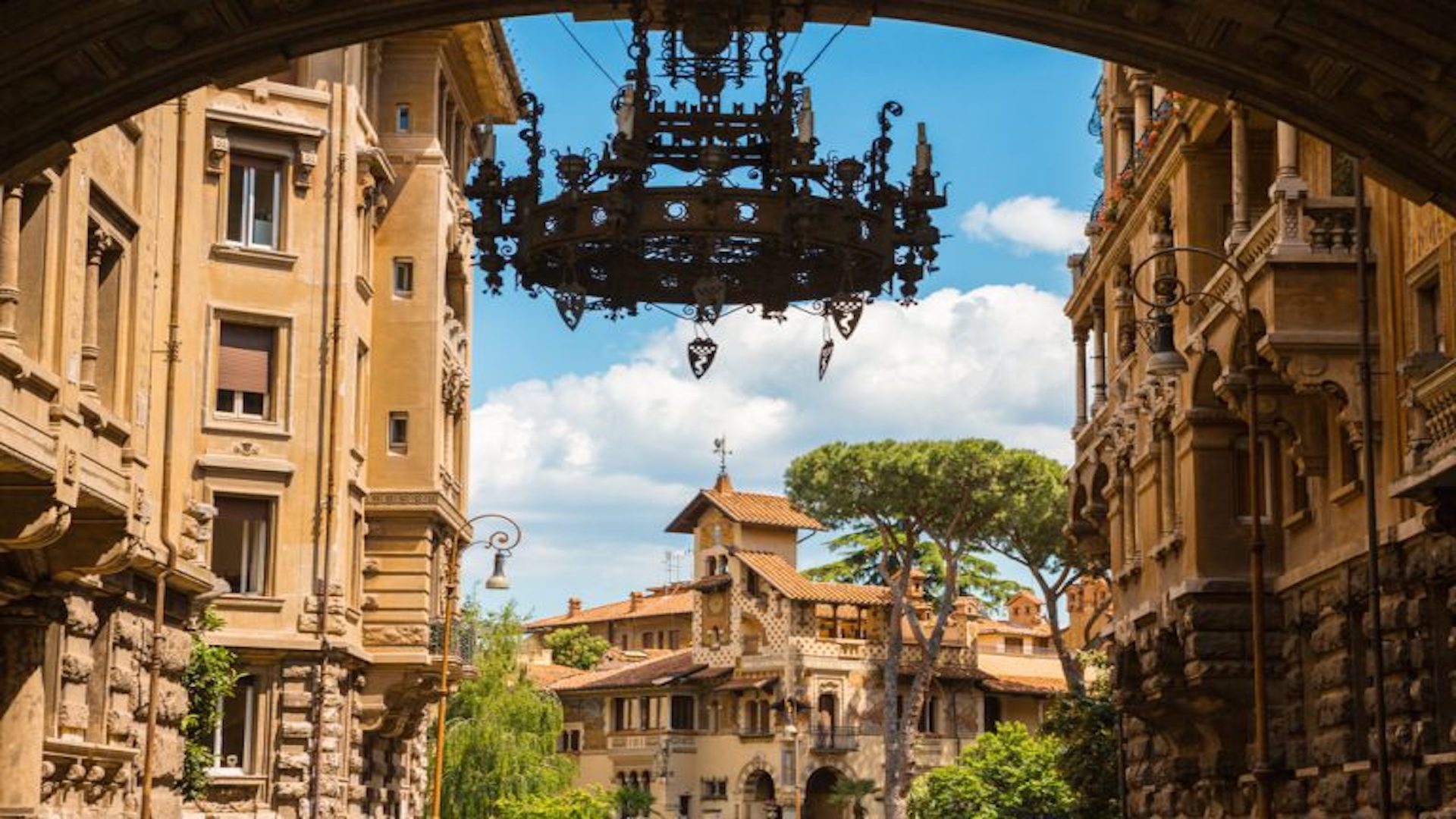
In 1832, the heir Alessandro Torlonia continued the embellishment works, through the construction of other buildings, and the arrangement of the greenery according to the taste of the romantic gardens. After a long period of neglect, in the 1920s the villa became the residence of the Mussolini family and finally, in 1978, it was acquired by the Municipality of Rome and transformed into a public park. The museums of Villa Torlonia include: The Casino Nobile which owes its appearance to the intervention of Giuseppe Valadier (1802), Giovan Battista Caretti (1835-40) who added the pronaos of the facade, and to the many artists who worked on the interior decoration, including Podesti, Coghetti and Thorvaldsen . When, from 1925 to 1943, the Villa was rented to Benito Mussolini, a gas shelter and an anti-aircraft bunker were built in the basement, which can be visited by appointment. On the two representative floors there are the original rooms, with period sculptures and furnishings. On the second floor is the Museum of the Roman School, with paintings, sculptures and drawings by the artists of that current. The adjacent Casino dei Principi, where the Archives of the Roman School can be consulted, rich in documents, periodically hosts temporary exhibitions. The Casina delle Civette, designed in 1839 by the architect Giuseppe Jappelli as a Swiss hut, was transformed in the early twentieth century into an eclectic cottage. Its name is linked to the use of decorative elements inspired by the theme of the owl. The numerous polychrome stained glass windows present were largely made in Cesare Picchiarini's workshop between 1910 and 1925. The Theater of Villa Torlonia, opened in 2013 after a long restoration, hosts a program of shows and is worth a visit to appreciate the extraordinary decorative apparatus composed of frescoes, mosaics, statues and paintings.