 1 Minute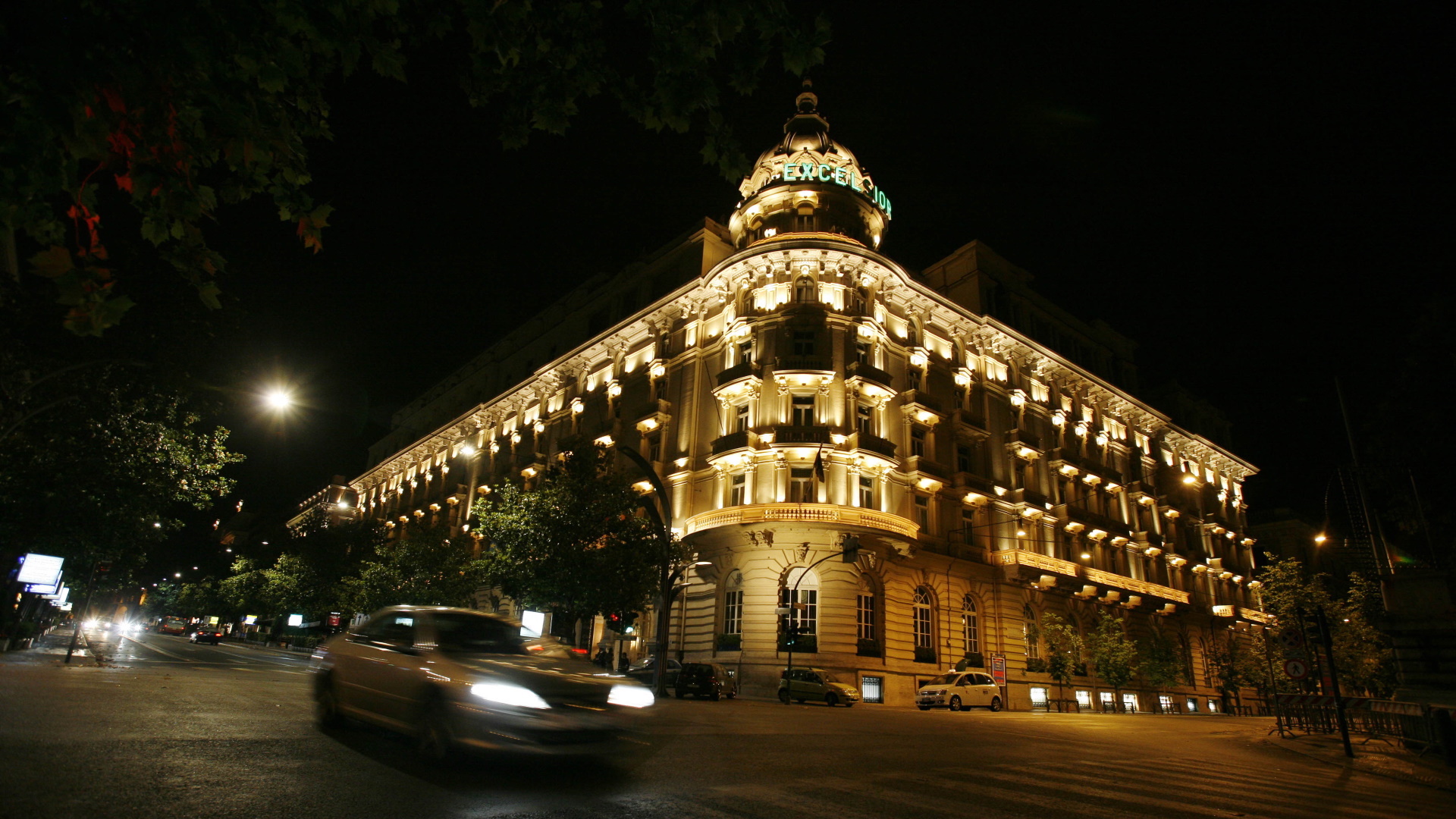
Located in the historic center of Rome, via Vittorio Veneto, more commonly known as via Veneto, connects Piazza Barberini with Porta Pinciana.
In the late Republican era, the area on which it stands was populated by sumptuous patrician villas inhabited by illustrious characters, including Julius Caesar and Senator Sallust who built rich gardens in this area with pavilions, arcades, fountains, spas, temples and statues: the Horti Sallustiani.
In 1621, Cardinal Ludovico Ludovisi, nephew of Pope Gregory XV, bought the land on which the Horti stood to build his villa which became the destination of artists and scholars who could admire here the precious ancient marbles that Ludovico had restored by great masters and artists such as Bernini and Buzzi.
At the end of the nineteenth century, after the unification of Italy, one of the most important urban interventions concerned the arrangement of this area with the creation of the new Rione Ludovisi. The project included spacious roads, also suitable for the new mobility. Thus in 1894 Via Veneto was born, a wide “Umbertina Walkâ € ?? and main street of the most luxurious district of Rome, the capital of Italy. Thus, elegant villas and noble palaces were built, trendy cafés and restaurants for the upper class and the aristocracy, and large first-class hotels were also built such as the Excelsior, inaugurated in 1906 by Baron Von Pfyffer, owner of the Grand Hotel.
Initially dedicated to the region of the same name, in 1919, after the First World War, via Veneto changes its name in memory of the battle of Vittorio Veneto.
The international fame it enjoys is mainly linked to the Dolce Vita, a period in which its clubs, restaurants and hotels were animated by the wildness of Hollywood actors and other celebrities pursued by the paparazzi, always looking for the latest scoop. Federico Fellini, in his masterpiece La dolce vita, reconstructs it in the Cinecittà studios.
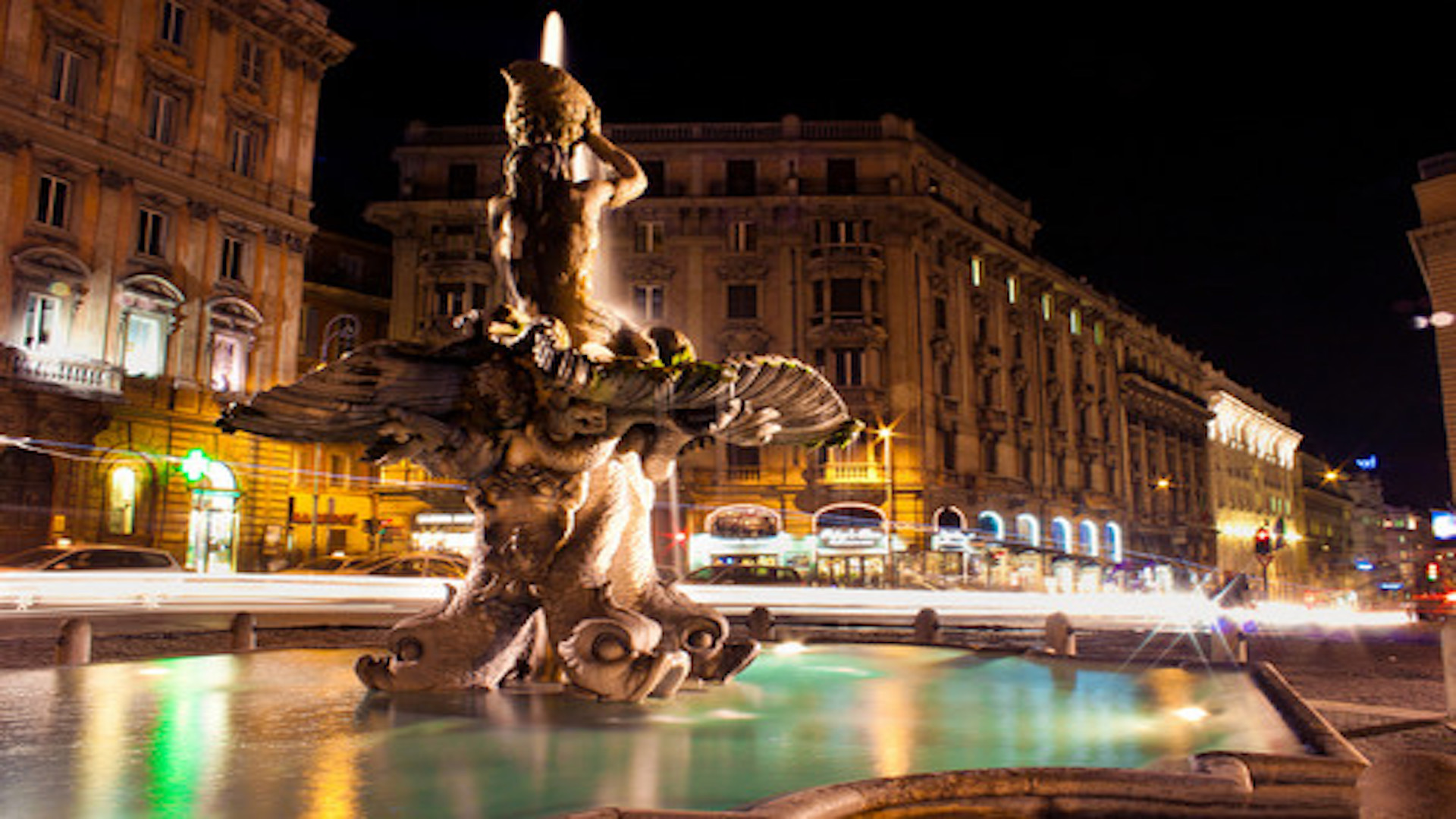
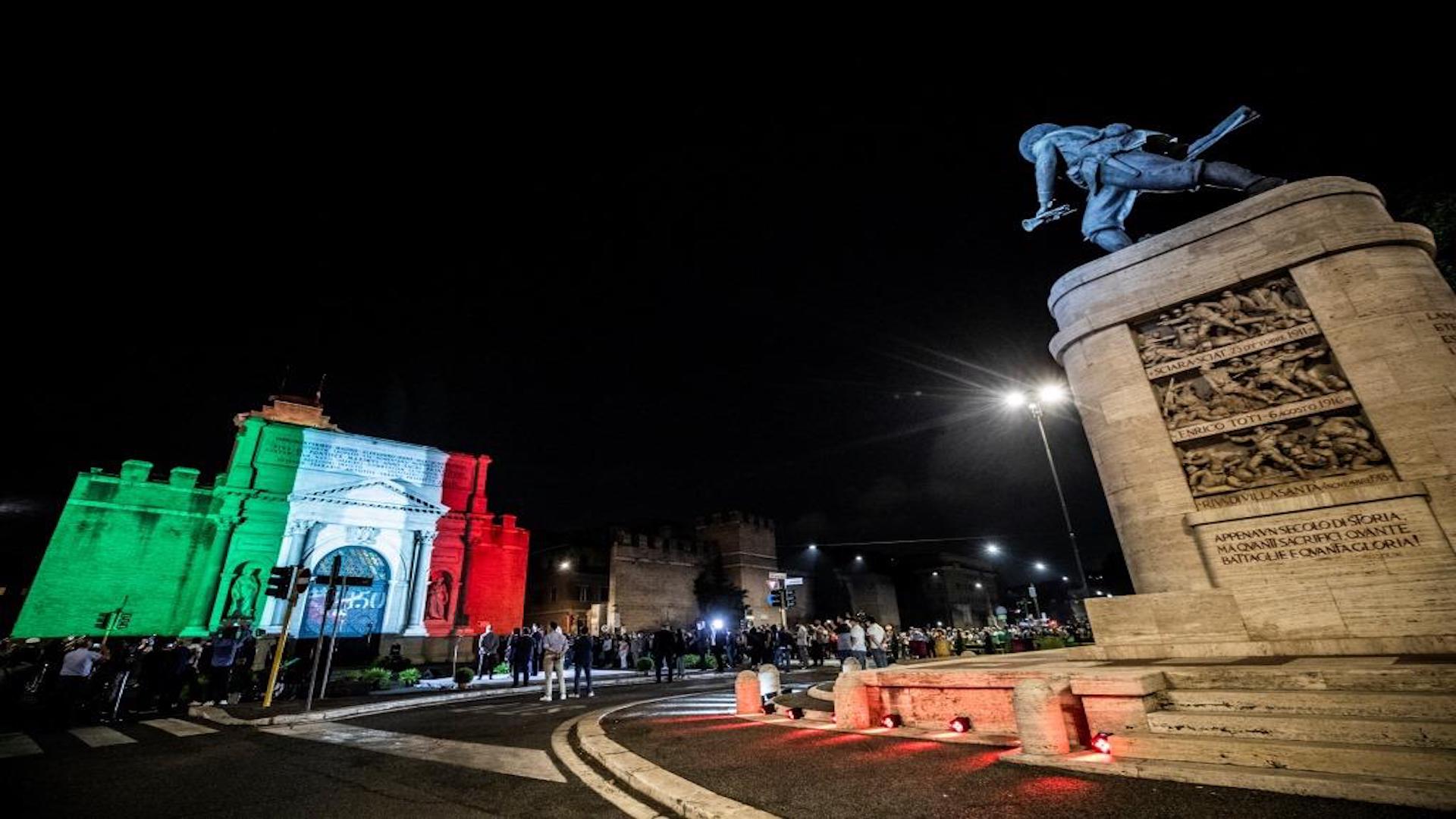
Starting from Piazza Barberini, along its path you can meet in addition to luxury hotels, noble palaces and famous cafes, also masterpieces from different eras such as the fountain of the Bees, the Church of Santa Maria Immacolata with the Capuchin crypt and Porta Pinciana .