 15 Minutes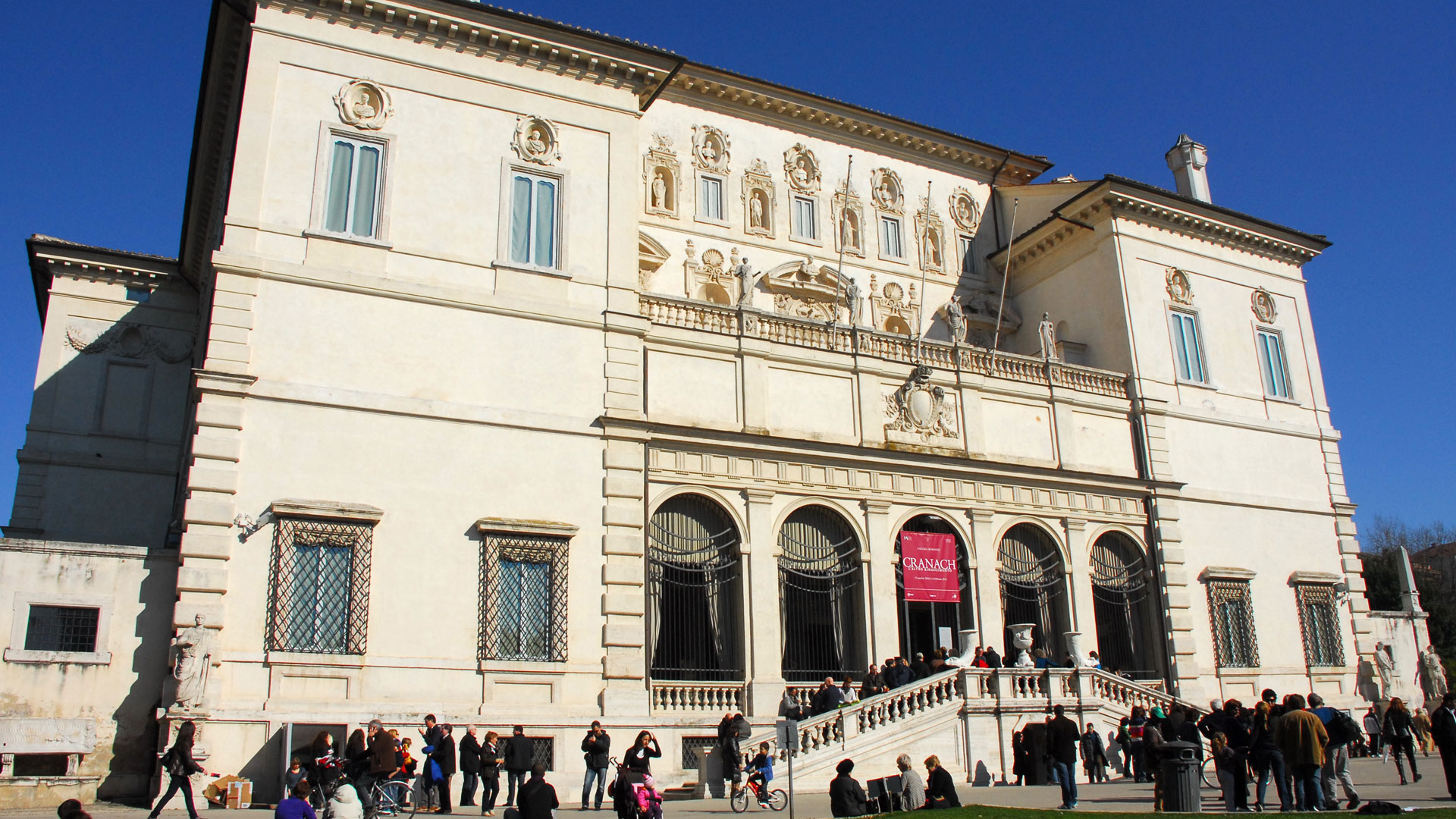
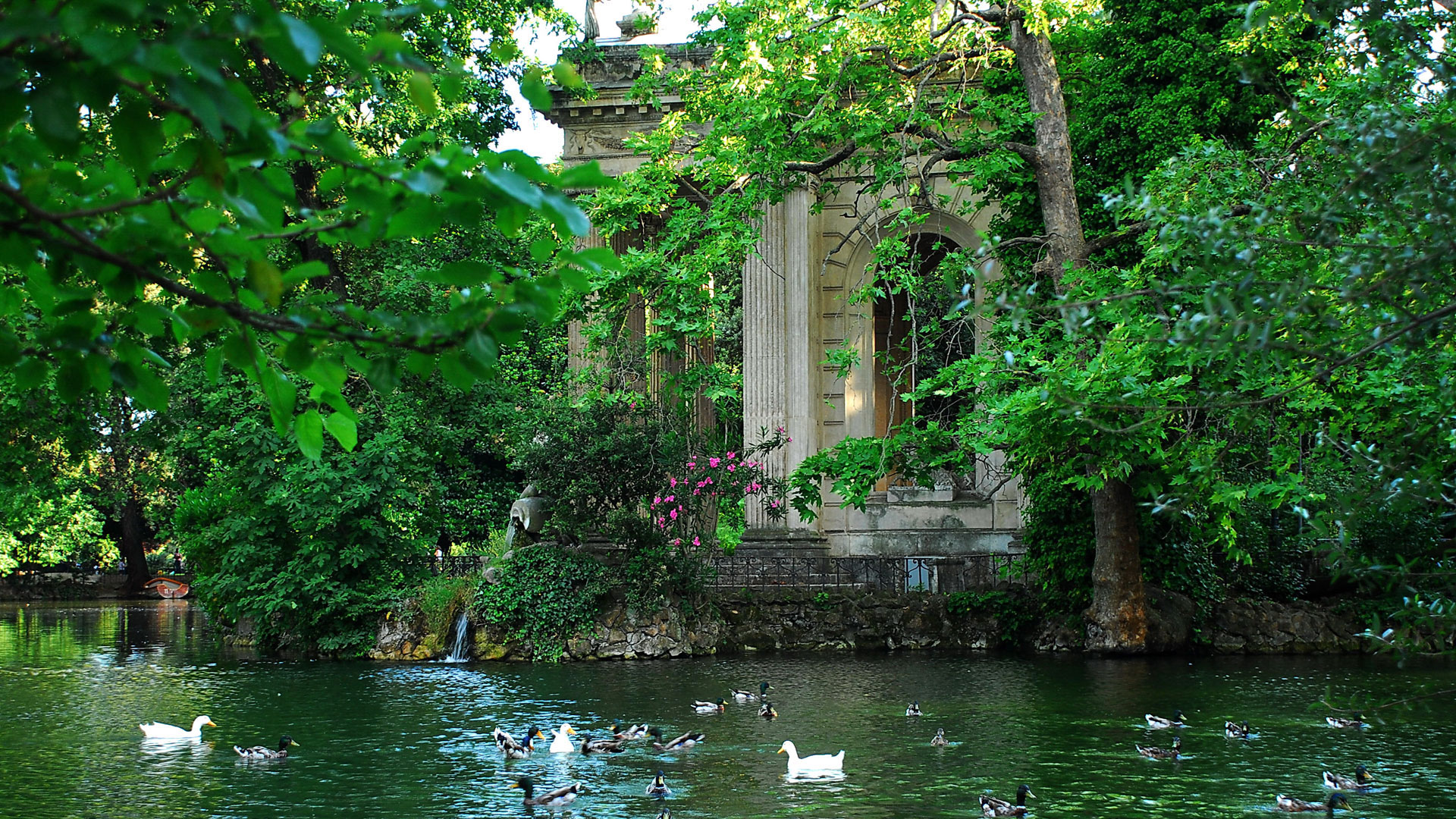
Located inside the park of the homonymous Villa, the Borghese Gallery houses the collection initially formed by Cardinal Scipione Borghese at the beginning of the 17th century, and preserves masterpieces by Antonello da Messina, Giovanni Bellini, Raphael, Tiziano, Correggio, Caravaggio and splendid sculptures by Gian Lorenzo Bernini and Canova.
The most important nucleus of the sculptures and paintings dates back to the collecting of Cardinal Scipione (1579-1633), son of Ortensia Borghese, sister of Pope Paul V, and of Francesco Caffarelli, but the events of the following three centuries, including losses and purchases, have left notable traces.
Cardinal Scipione's attention was directed to all expressions of ancient, Renaissance and contemporary art, designed to evoke a new golden age. Not particularly interested in medieval art, he instead sought, with passion, ancient sculpture, and favored the creation of new sculptures and above all of marble groups that were compared with ancient works.
In 1607, the Pope had Scipione assigned 107 paintings confiscated from the painter Giuseppe Cesari, known as the Cavalier d'Arpino. The following year was the clandestine removal from the Baglioni chapel in the church of San Francesco in Perugia and the transport to Rome of the Deposition by Raphael, assigned to Cardinal Scipione with papal motu proprio.
In 1682, part of the legacy of Olimpia Aldobrandini, which included works from the collection of Cardinal Salviati and Lucrezia d'Este, merged into the already rich collection.
The portrait of Paolina Bonaparte Borghese, painted by Canova between 1805 and 1808, has been present in the Villa since 1838. In 1807, Camillo Borghese sold 154 statues, 160 busts, 170 bas-reliefs, 30 columns and various vases to Napoleon. Borghese fund of the Louvre. But already in the third decade of the nineteenth century, the serious gaps seem to have been filled with new materials from recent archaeological excavations, from works recovered from the cellars and from various other bourgeois residences. In 1827, Camillo Borghese bought the important Danae del Correggio in Paris.