 45 Minutes by train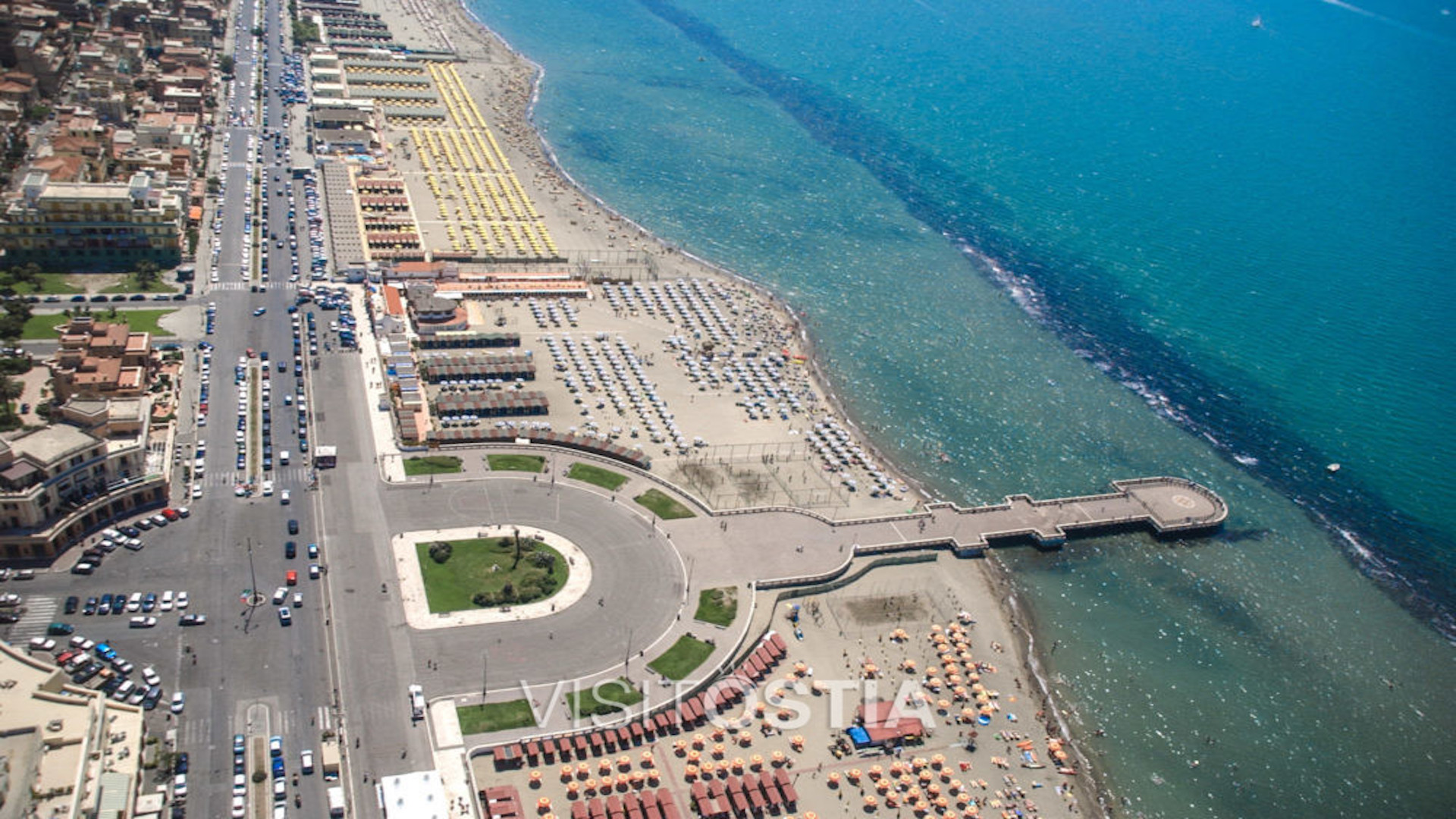
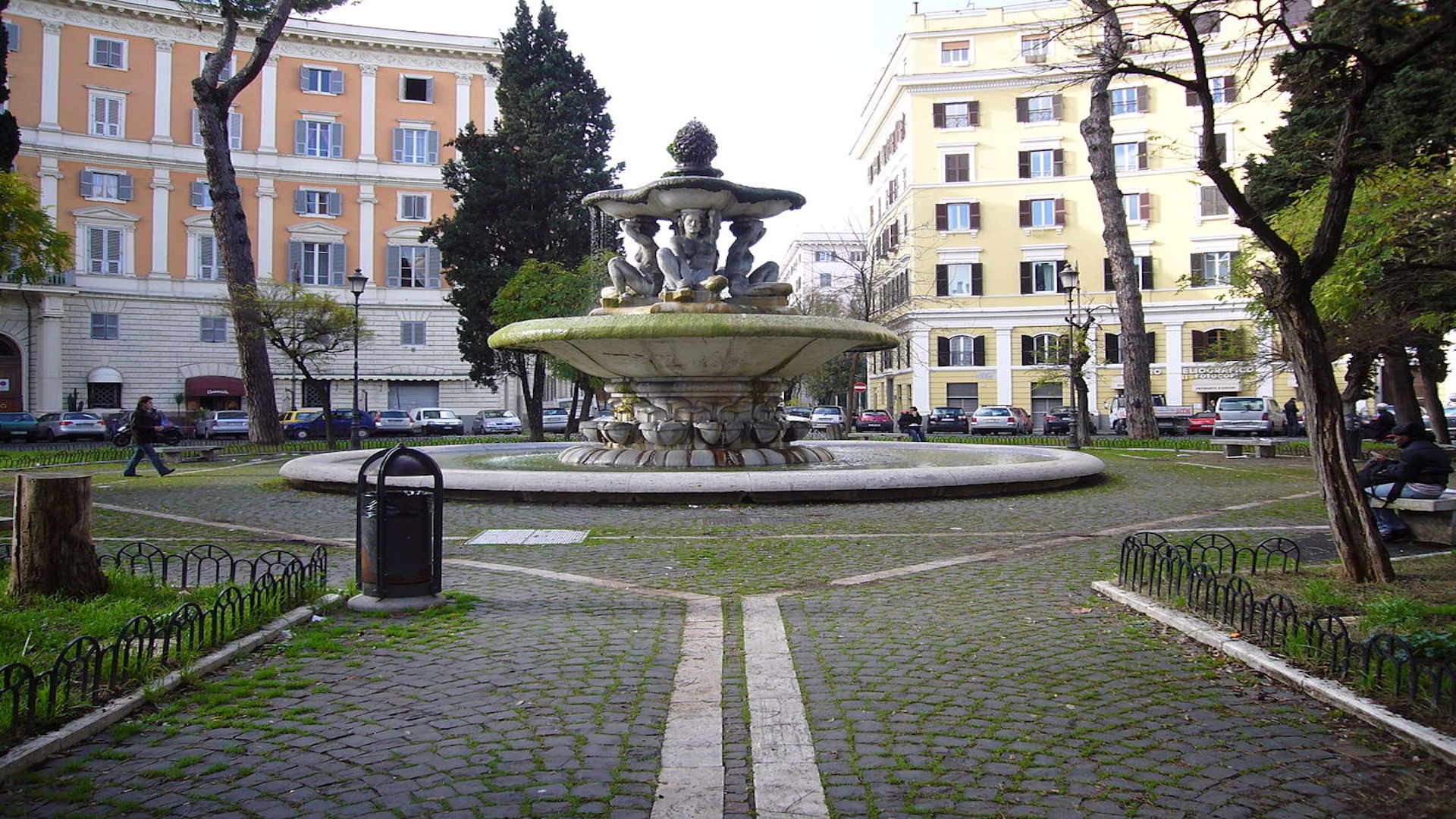
After the reclamation, completed by colonists from Ravenna in 1891, some projects were presented to transform the area (which has always been frequented for salt and pastures) into a river port connected by canal and rail to the Ostiense-Portuense industrial area. Only in 1928 did the idea of ​​giving the new settlement a seaside vocation prevail, making it a pole of attraction for the slow expansion of Rome towards the sea. Connected with the capital first by the Ostia-Rome motorway (the current via del mare, opened in 1927-28) and then by via Cristoforo Colombo, in 1961 it was called Lido di Ostia and divided into Lido di Ponente, Lido di Levante and Castel Fusano, transforming itself from a holiday destination into a satellite of the capital. Piazza dei Ravennati remembers the workers who carried out the reclamation,
On the Lido di Ponente, worthy of note is tor S. Michele (near the Tiber, in via degli Atlantici), a fortress built by Pius IV and built under Pius V by Nanni di Baccio Bigio based on a design by Michelangelo.
The three "historic" bathing establishments of Lido di Ostia meet at Lido di Levante, the Plinius, the Tibidabo (1936) and the Kursaal (1950), with the umbrella roof of Attilio La Padula and Pier Luigi Nervi.
Not far from the mouth of the Tiber stands the large structure of the new tourist port of Ostia, equipped to accommodate pleasure boats of all sizes and equipped with services and shops.