 5 Minutes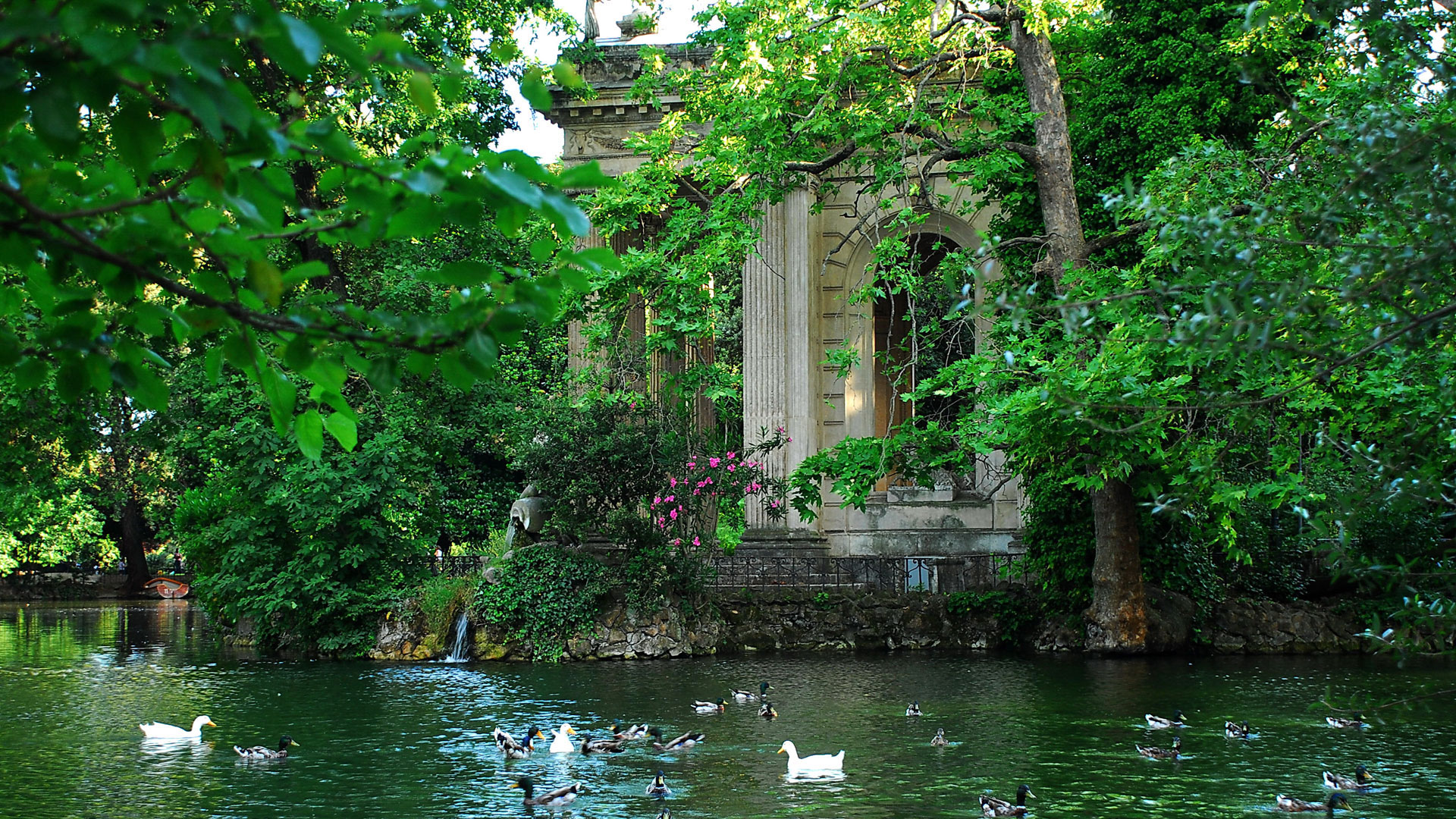
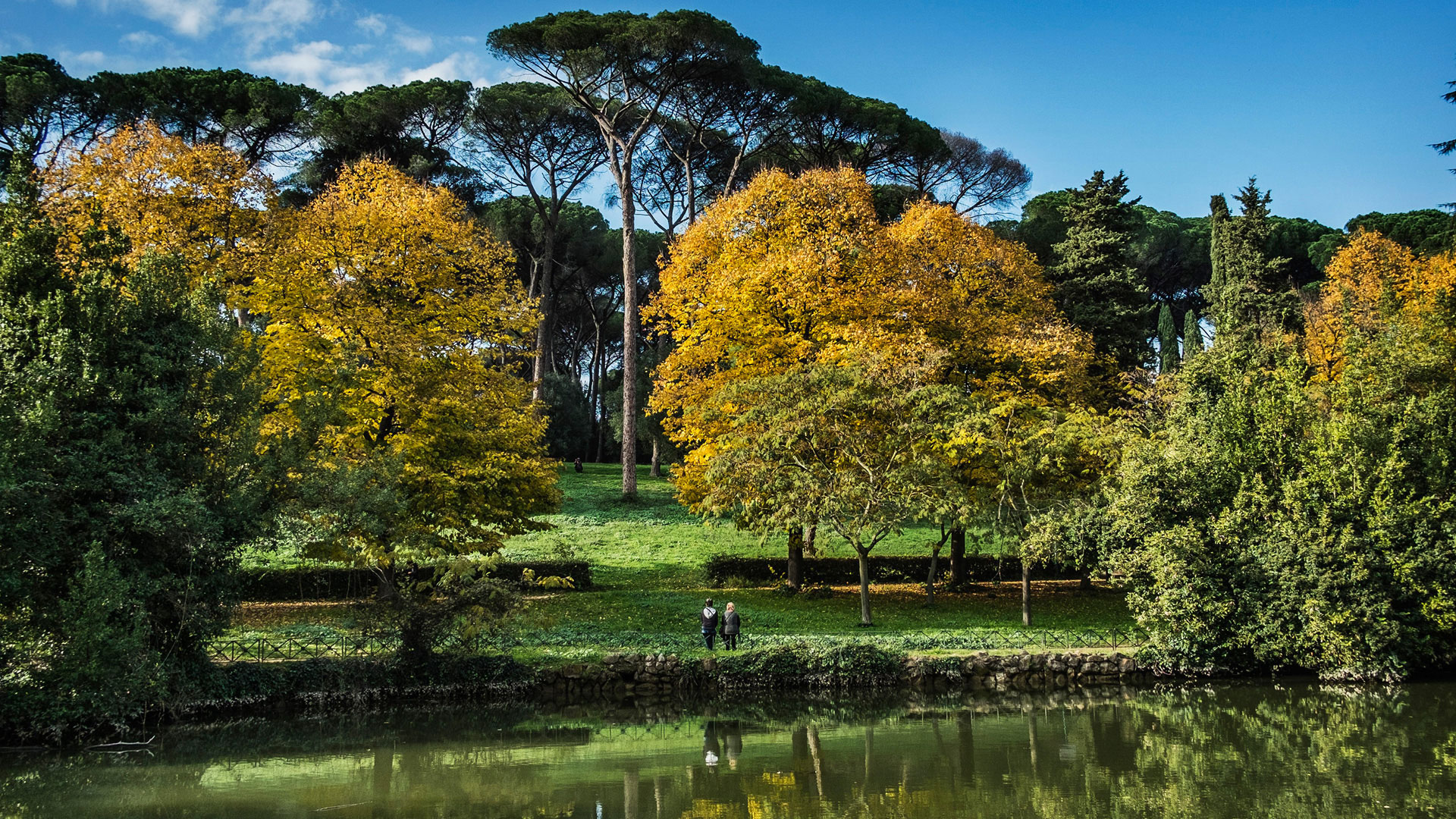
The Villa Borghese Park occupies a large area in the heart of the city. The villa contains buildings, sculptures, monuments and fountains, the work of illustrious artists of Baroque, neoclassical and eclectic art, surrounded by centuries-old trees, ponds, Italian gardens and large free spaces, made with great care.
The construction of the villa was entrusted by Cardinal Scipione Borghese, nephew of Pope Paul V, to Flaminio Ponzo and his pupil Giovanni Vasanzio, who was succeeded in 1621 by Girolamo Rainaldi. Domenico Savino da Montepulciano was responsible for the arrangement of the gardens. The works commissioned by Scipione Borghese lasted from 1608 to 1633, the year of the Cardinal's death.
In the eighteenth century, the restoration and improvement works of Villa Borghese commissioned by Marcantonio Borghese and carried out by Antonio Asprucci and his son Mario first of all involved the Casino Nobile and, in the following years, the park, where a system of symmetrical avenues and perpendicular to the neoclassical temples and Piazza di Siena.
In the nineteenth century Camillo and Francesco Borghese enlarged the surface of the park and, in 1903, the Villa was purchased by the Italian state and used as a public park.
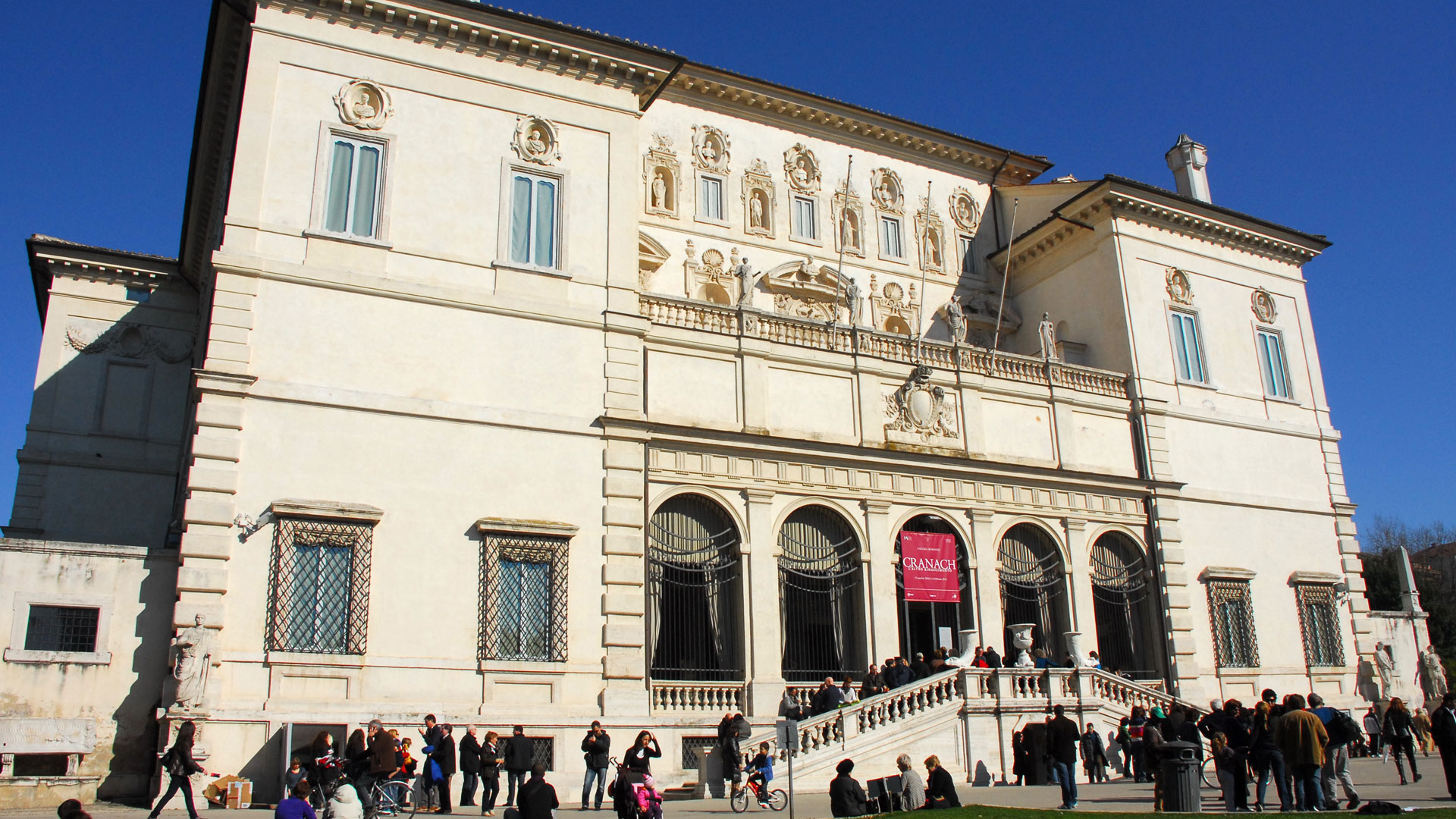
The most evocative places of Villa Borghese are: the Garden of the lake where it is possible to rent boats and admire, in the center of the water mirror, the Temple dedicated to Aesculapius and, along the banks, the Sundial and the Fountain of the Satyr Family ; the Secret Gardens (the Uccelliera Garden, the Old Garden, the Sundial Garden and the Cultivation Garden) reconstructed on the basis of historical and iconographic documentation; Piazza di Siena named in honor of the city of origin of the Borghese family, seat of the International Horse Competition, where events and concerts are held; the Casino Borghese del Vasanzio, in which the Borghese Gallery is located; the Fortezzuola today the seat of the Canonica Museum; the ETRU Etruscan Museum of Villa Giulia and the National Gallery of