 40 Minutes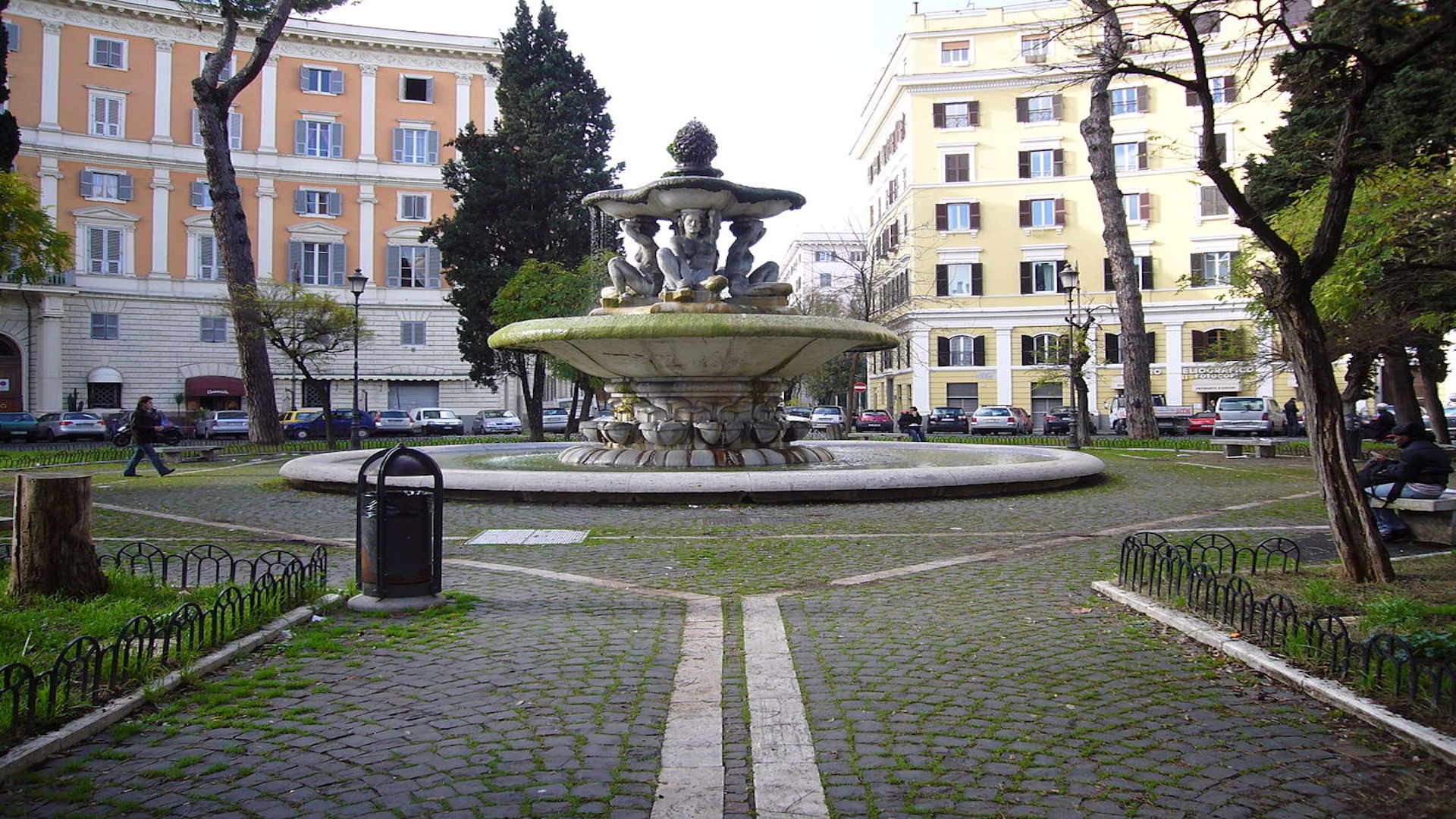
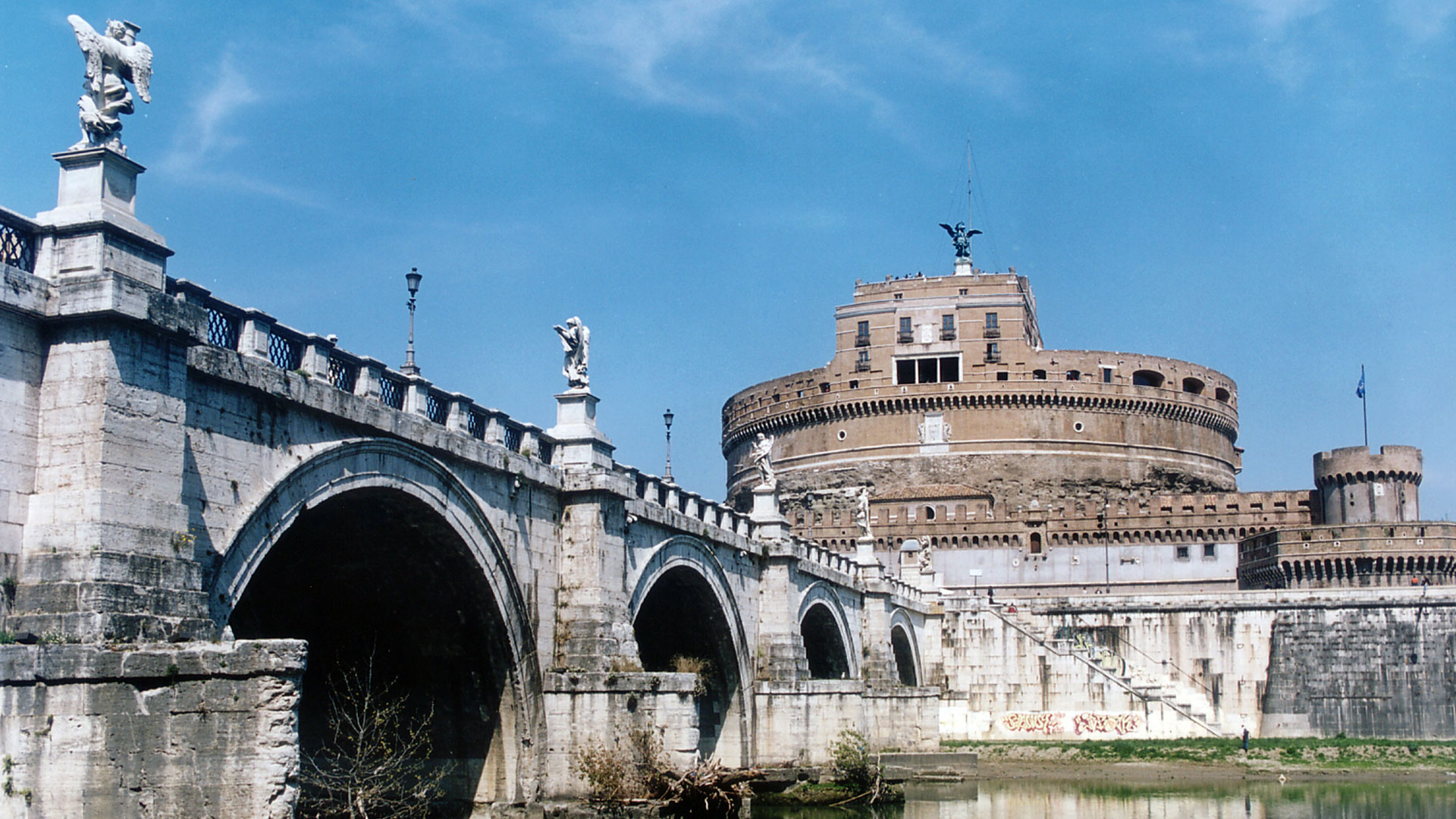
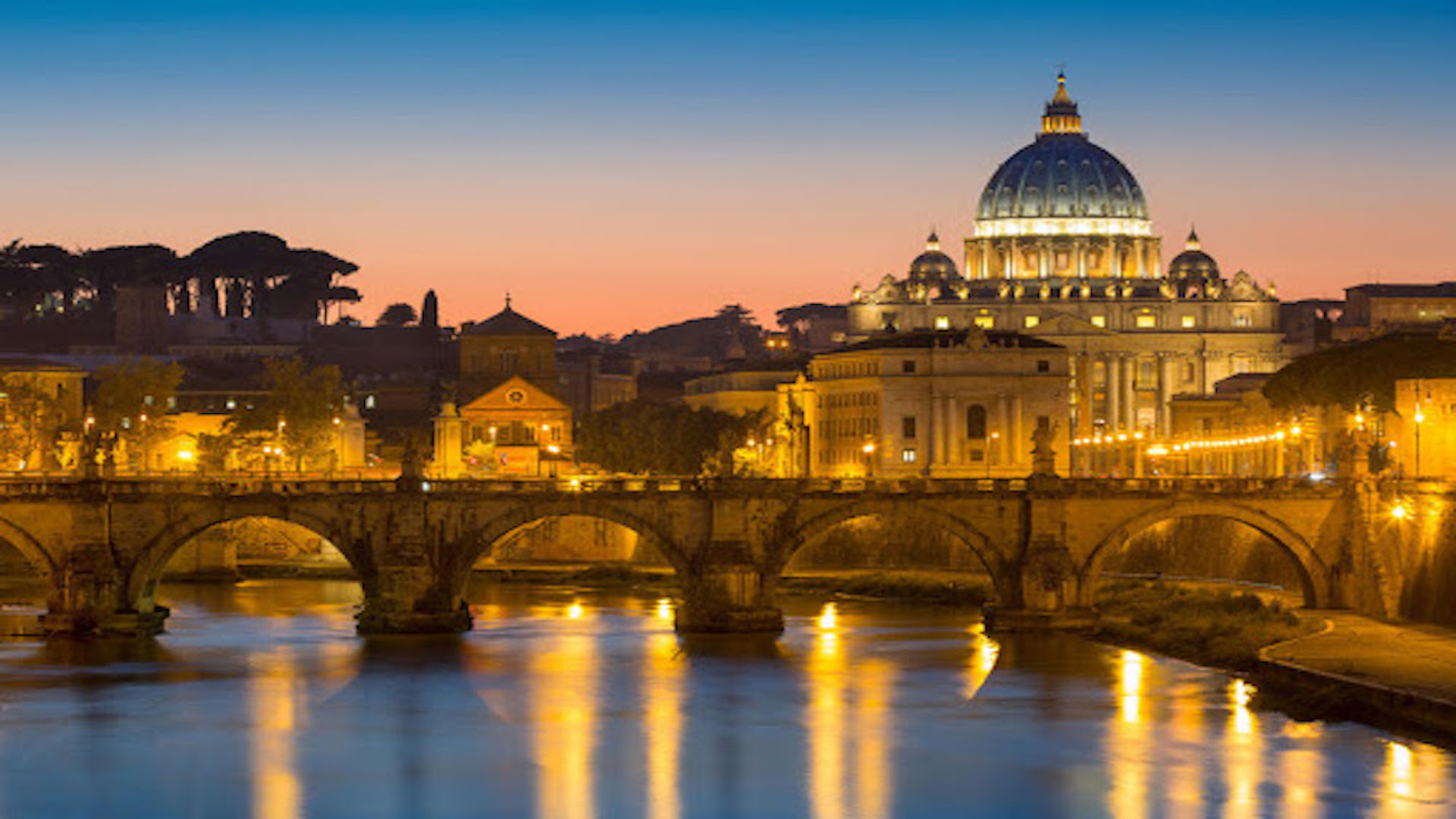
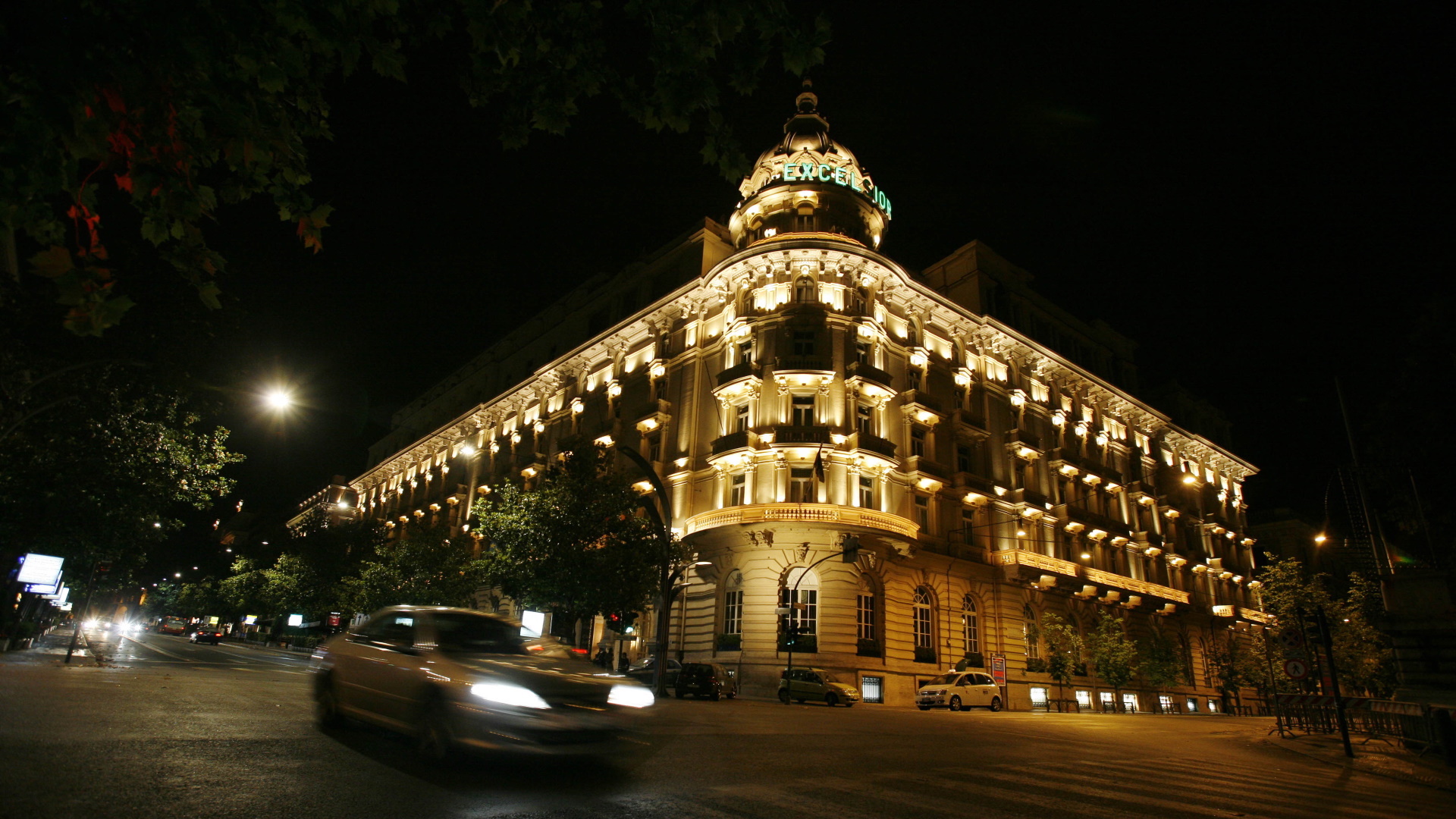
Prati is one of the most fascinating Umbertine neighborhoods of Rome; It has been like this since its birth immediately after the capture of Rome. Part of its success is certainly due to its position: the Tiber divides it from the ancient Renaissance city making it visually close but difficult to reach. Until the construction of the new post-unitary bridges, at the end of the nineteenth century, to reach Prati or you took a long journey passing from Ponte di Castello (today Ponte Sant'Angelo) and crossing the Rione Borgo or you ventured on small and unstable boats, which served as a ferry. Known was the  «barrel-iron» of the boatman Toto Bigi, called “Bocaloneâ € ?? for his habit of drinking heavily. Toto's ferry was at the port of Ripetta and was identifiable by the inscription: «The boat passes here».
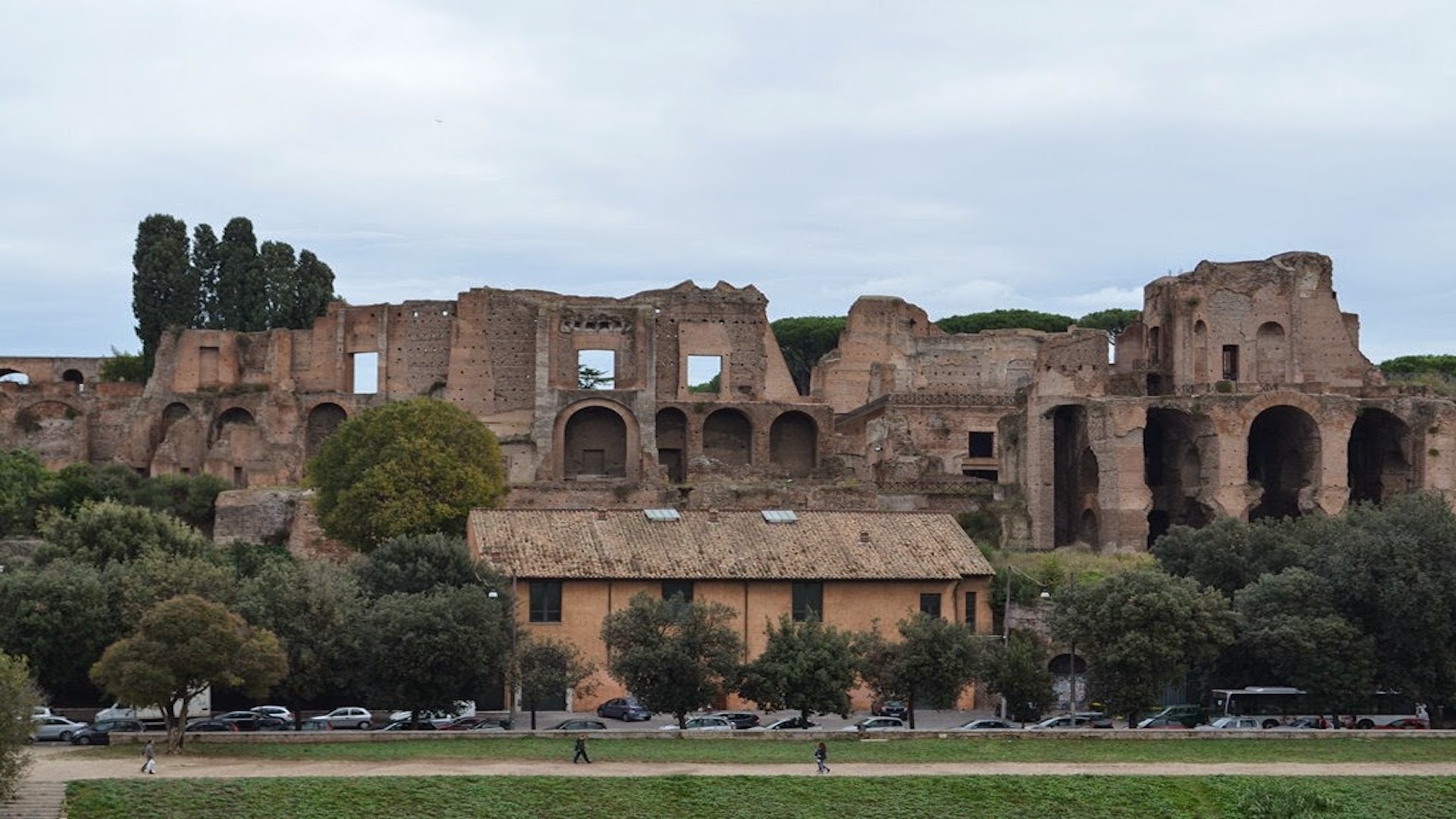
Until the capture of Rome in 1870, Prati di Castello was an agricultural area behind Castel Sant'Angelo, in Roman times it was a place of delight, as there were large and luxurious patrician gardens. In the Middle Ages there were fields and orchards where, not infrequently, the enemy armies that besieged the city encamped. It was also the place where people traditionally went to have snacks and revels sitting on the grass or on the benches of the rustic taverns. It is perhaps for this ancestral association to leisure that the district became, from the beginning, the seat of places dedicated to entertainment.
The first Regulatory Plan of Roma Capitale, dated 1873, did not include the construction of Prati but, due to the strong interest of the owners of the land, a special derogation was envisaged with a project outside the plan. Italo Insolera recalls: “... Prati was thrown into the adventure of speculation: in 1873 the land belonging to the Consortium of the owners of Prati was worth from 3 to 7 lire per square meter; ten years later they will be valued at 75 lireâ € ?? (Modern Rome). It will be the Plan of 1883 that will officially insert the area in the town planning project.
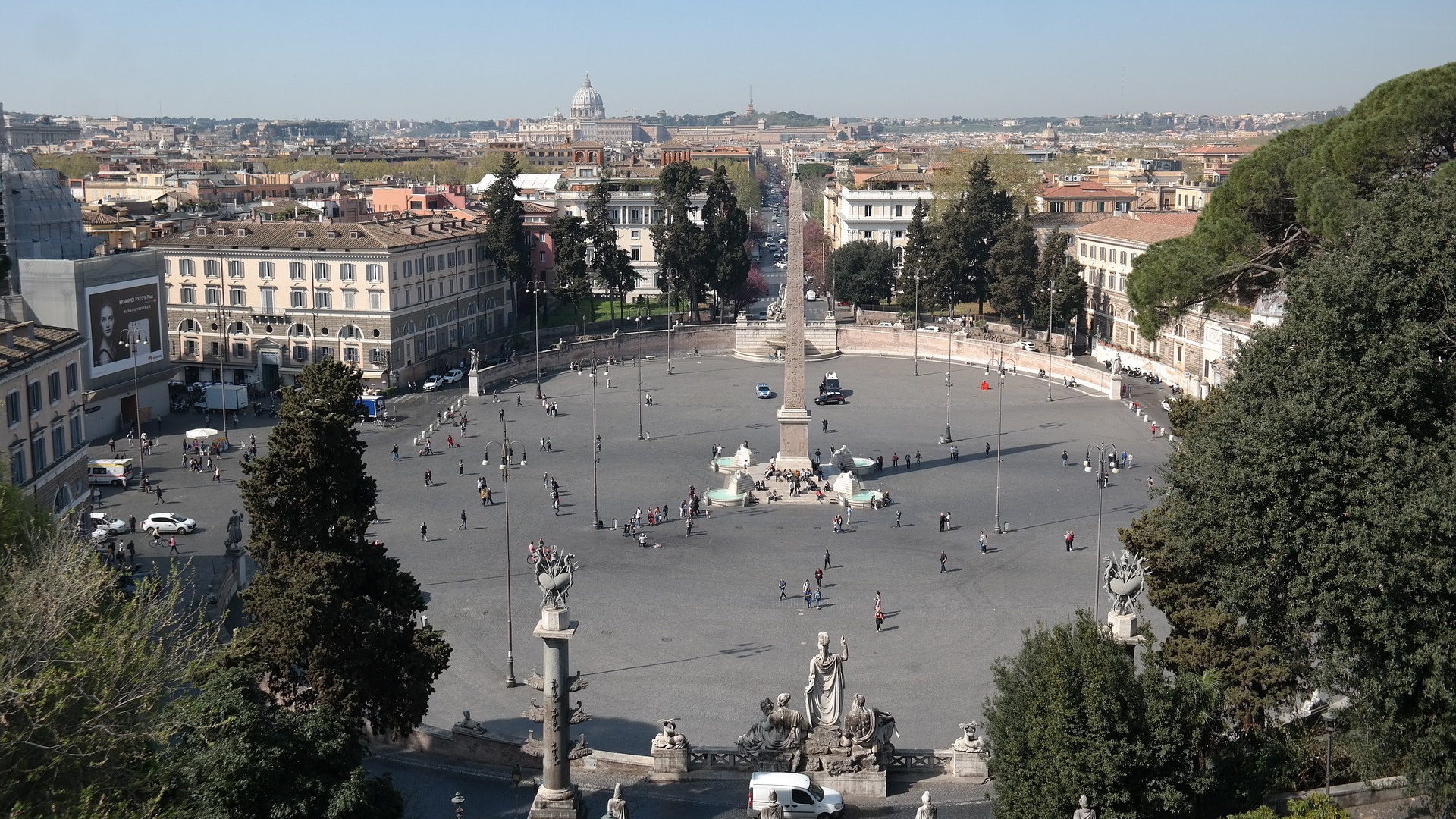
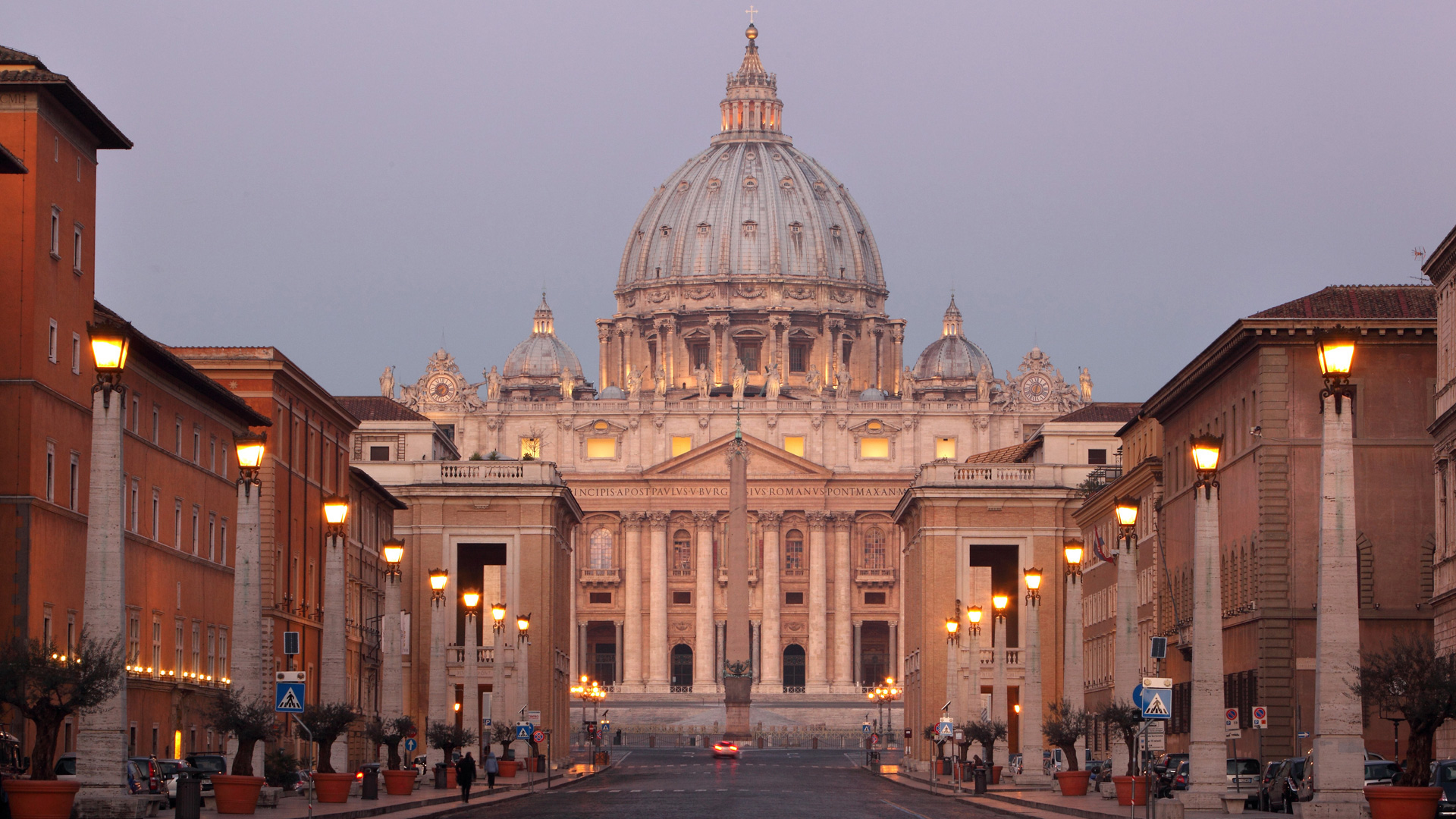
The Municipal Council of Rome gave a precise indication for the new district: to avoid the perspective view of the dome of San Pietro. We are in post-unification Italy, with secular and anticlerical governments, a Pope who felt unjustly and arbitrarily expropriated of his State and a king excommunicated; certainly not easy relations between Church and State. This explains why the long streets of the neighborhood were designed in such a way as to avoid the perspective of the Vatican dome.