 30 Minutes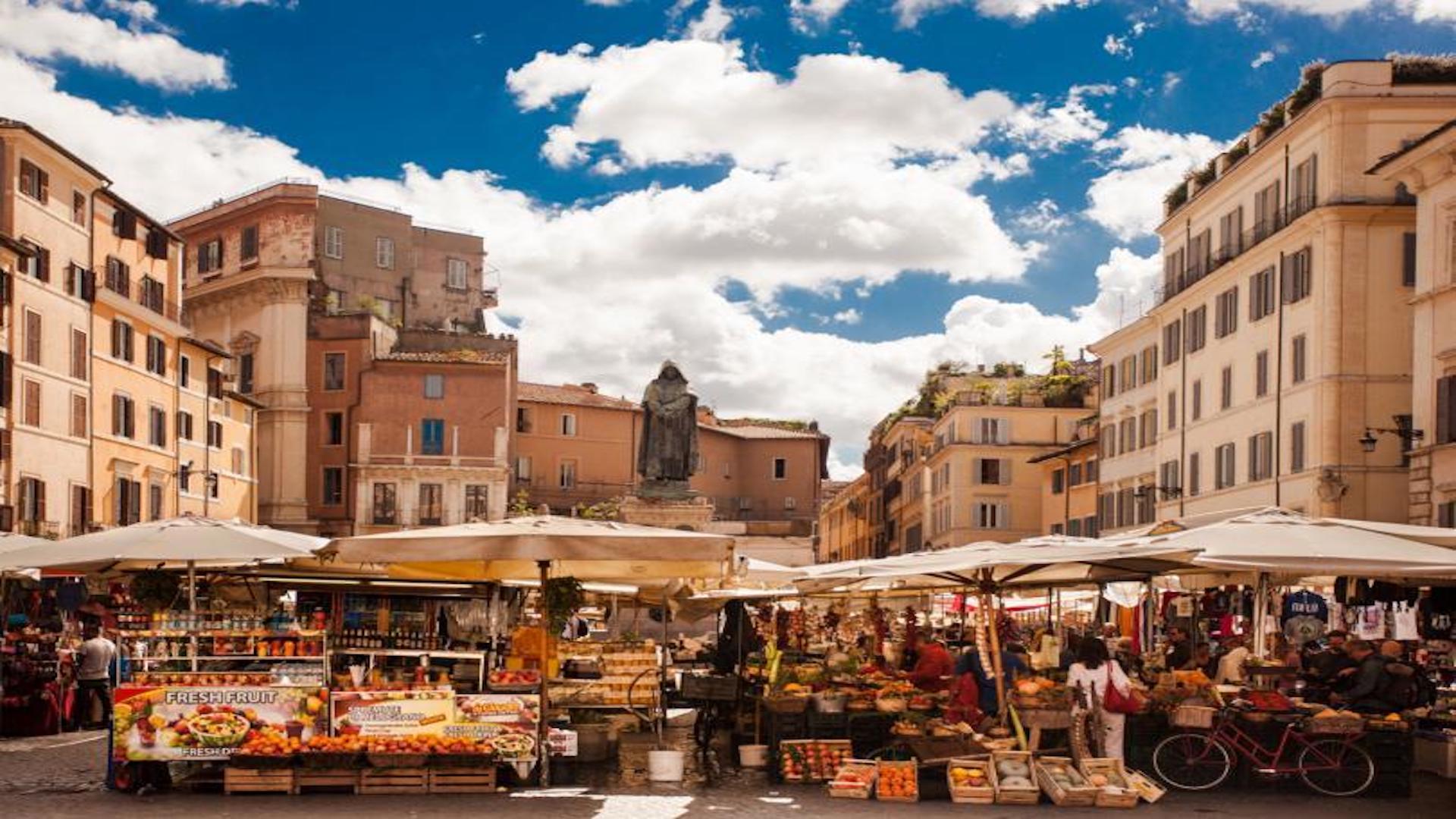
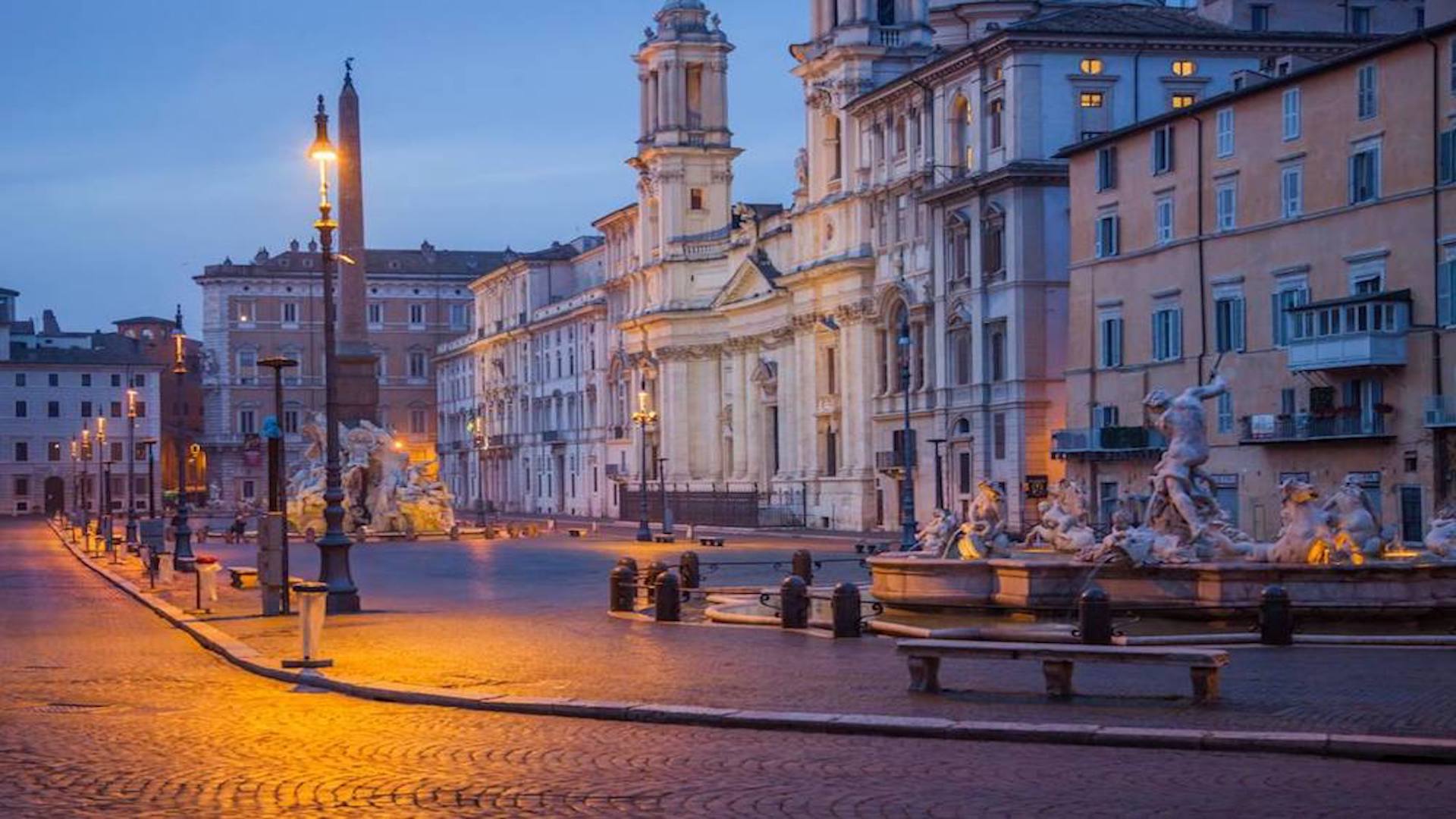
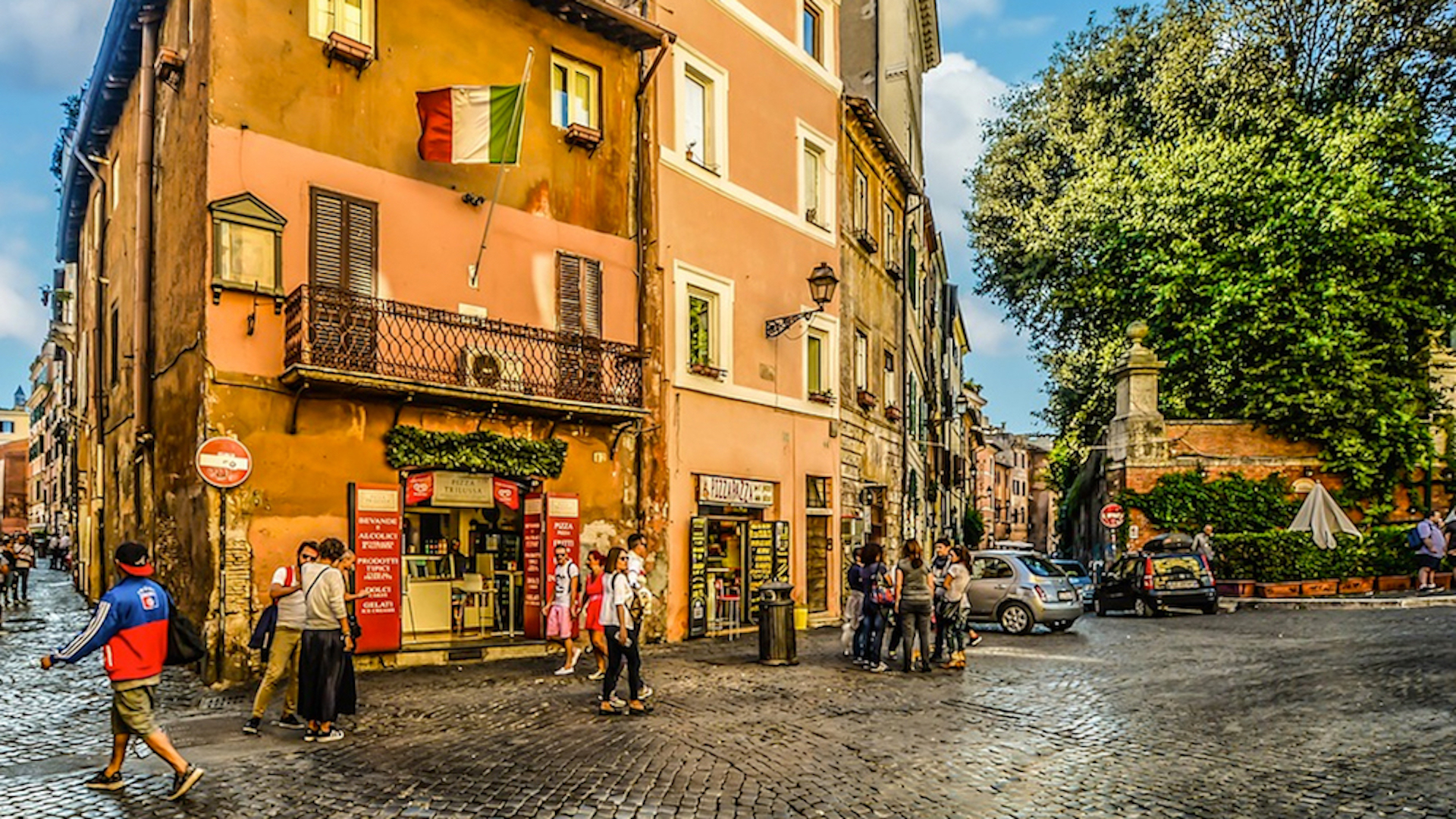
Among the most picturesque places in Rome, the only monumental square in the city center that does not host a church, Campo de 'Fiori is located halfway between Piazza Navona and Piazza Farnese and represents the typical scenario of old Rome.
The colorful market that animates the square is one of the most characteristic of the city. Transferred there from Piazza Navona in 1869, it owes its name to a wonderful flowery field where animals grazed until the 15th century.
The market maintains the wooden stalls and umbrellas that protect the goods from any climate. In 1440 the square was paved and numerous inns and hotels for pilgrims were built around it. This makes the image almost unchanged compared to the 19th century Alinari photos. In the center of the square stands the nineteenth-century statue of the philosopher Giordano Bruno, who was burned at the stake in 1600 because he was considered a heretic.
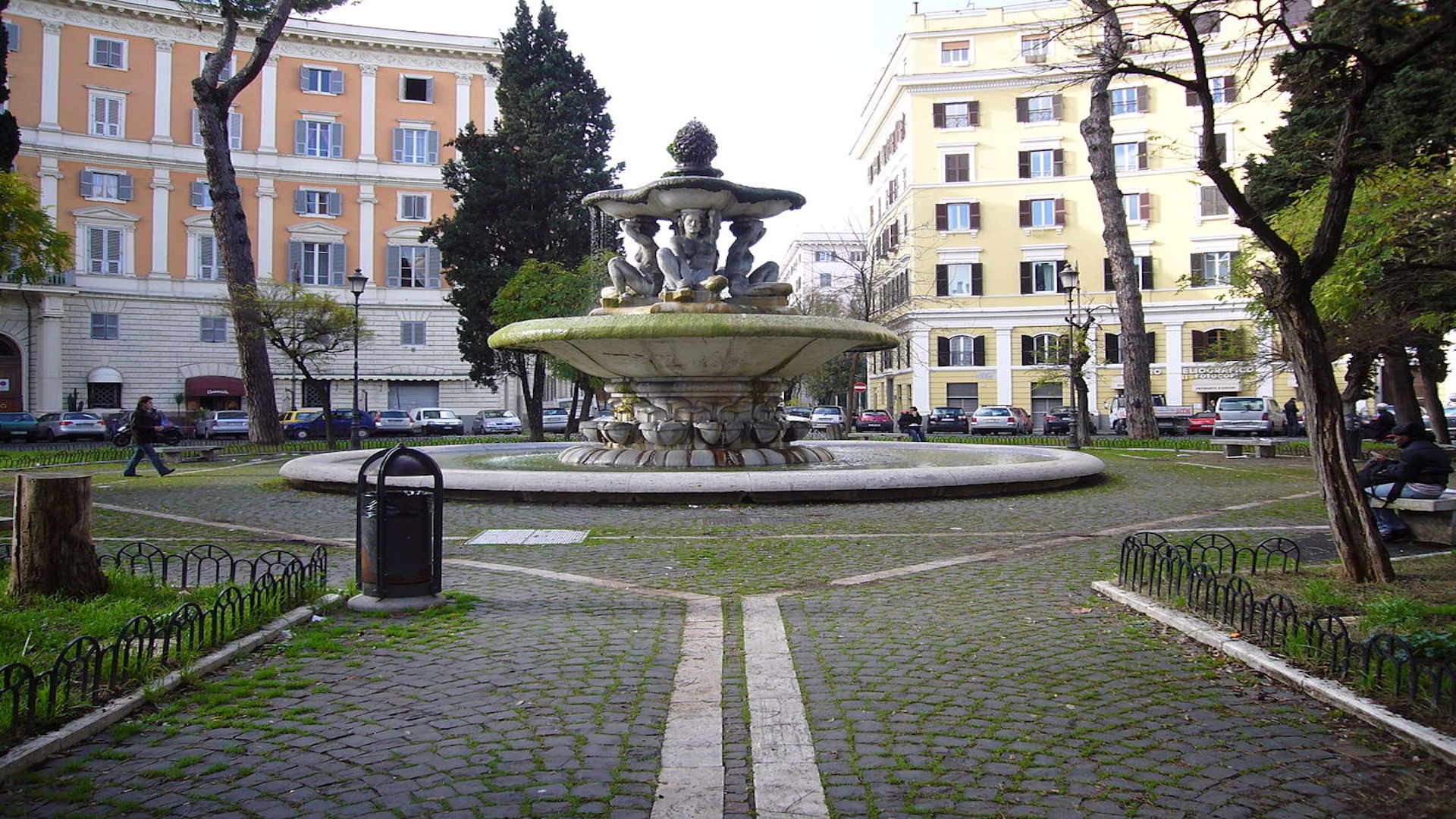
Aristocratically isolated, vast and regular, Piazza Farnese is situated in a quiet environment decorated with two large twin fountains of Egyptian granite that come from the Baths of Caracalla, whose arrangement is attributed to Girolamo Rainaldi.
The square is dominated by Palazzo Farnese, one of the most beautiful buildings of the sixteenth century in Rome, begun in 1517 by Antonio da Sangallo the Younger commissioned by Cardinal Alessandro Farnese, the future Pope Paul III (1534-1549). On the death of Sangallo, the works were continued first by Michelangelo (1546-1549), then by Vignola (1569-1573) who designed the rear facade and finally by Giacomo Della Porta, who completed the work in 1589.
On the main floor, the the famous Gallery was frescoed between 1597 and 1604 by Annibale Carracci, who made use of the collaboration of his brother Agostino, Domenichino and Giovanni Lanfranco, while the adjoining Sala dei Fasti Farnesiani was decorated with frescoes by Francesco Salviati and the Zuccari.