 25 Minutes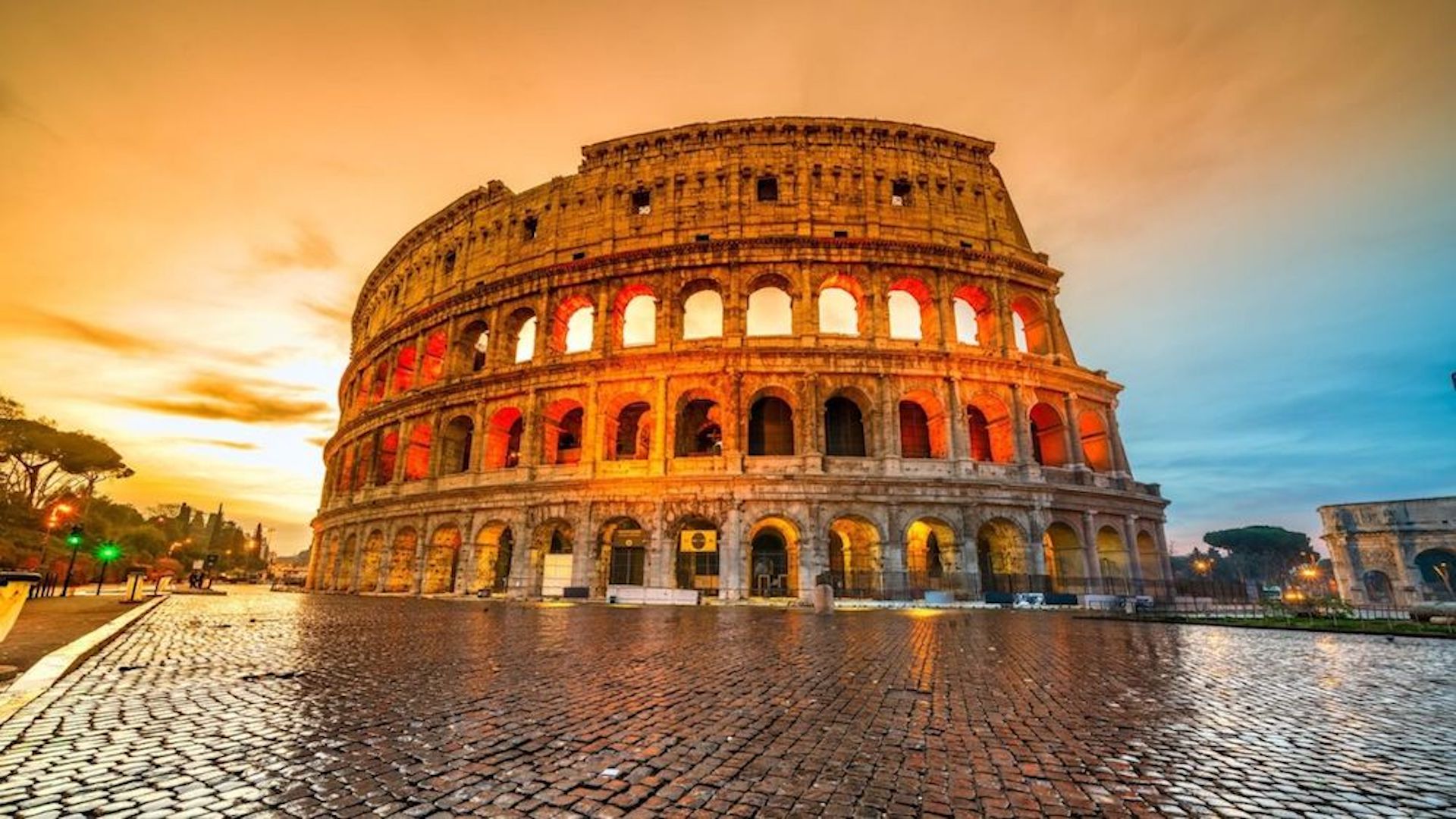
Probably the most famous monument in the world and symbol of the greatness of Rome, the Flavian Amphitheater, better known as the Colosseum for the colossal bronze statue depicting Nero that was nearby, stands in the archaeological heart of the city, and from almost two thousand years tells an uninterrupted story of charm and magnificence.
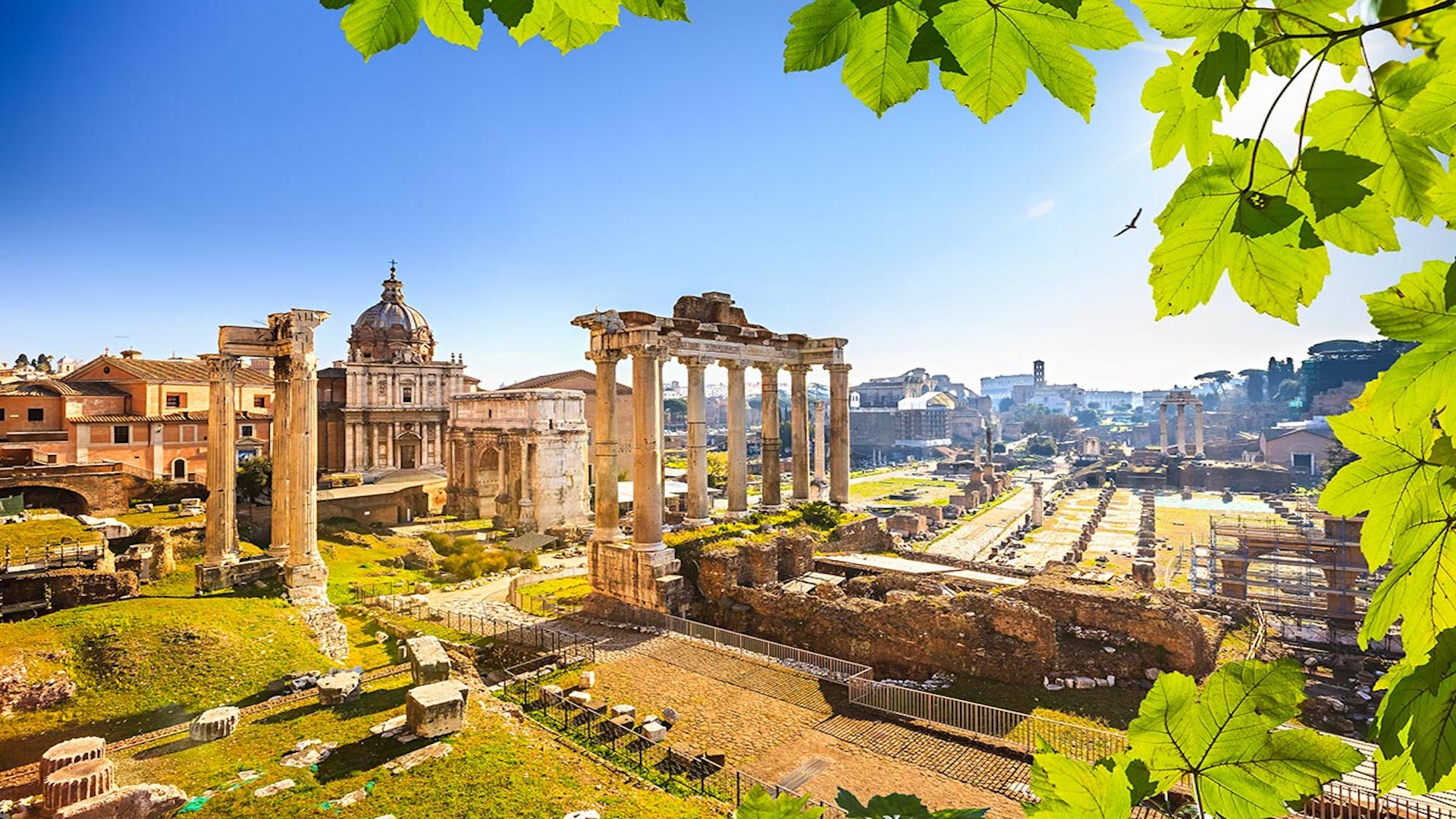
The Colosseum, which is still the largest amphitheater in the world today, was commissioned by the emperor Titus Flavius ​​Vespasian who chose the area between the Palatine, Esquiline and Celio hills to build it, previously occupied by the artificial lake of Nero's Domus Aurea. Its construction began in 70 AD and ended in 80 AD under the empire of Titus, son of Vespasian. The building, intended for fighting, games between gladiators (munera), simulations of hunting wild and exotic animals (venationes) and naumachia (naval battles), is made up of four superimposed architectural orders; the first three are made up of eighty arches framed by semi-columns, the fourth is divided into squares interspersed with windows. In the last order, masonry and wooden supports were inserted to support an immense tarpaulin (velarium) which served to shelter the spectators from the sun and rain. 189 meters long, 156 meters wide, and over 48 meters high, the Colosseum covers an area of ​​24,000 square meters and could accommodate about 50,000 spectators who could sit in the cavea, formed by brick tiers covered in marble. The arena, which measured 76 meters by 46, was made with a large wooden board covered with sand. In the basement of the Colosseum, preparations for the shows took place. Inside, several hatches opened from which men and animals appeared surprisingly, lifted by hoists by means of a complex system of winches which, however, due to the presence of wood and ropes, were destroyed by the fire which in 217 seriously damaged the monument. In some periods of the year it is possible to go inside the monument, whose rooms still retain the conditions in which they were at the end of the 5th century AD, when they were buried. Since then they have not undergone any tampering due to subsequent uses, as happened for the elevated part of the Amphitheater. In 438, Valentinian III abolished gladiator games and the amphitheater underwent a progressive decline which in the Middle Ages and the Renaissance led it to be used as a quarry for materials, also used in the construction of St. Peter's Basilica, as a shelter for animals and as a venue for craft workshops and homes. During the Romantic period, its charm of ancient ruin attracted writers and artists such as Shelley, Byron, Dickens, Thomas Cole and Henry James. For Stendhal, however, the Colosseum represented "the most beautiful vestiges of the Roman people", a place that "if I had the power, I would be a tyrant, I would make the Colosseum stop during my stays in Rome". It periodically hosts temporary exhibitions and modern performances. The Colosseum, together with the Roman Forum and the Palatine Hill, is part of the Colosseum Archaeological Park.