 40 Minutes
The discovery of the Roman landscapes from the Aventine can start from the Piazza dei Cavalieri di Malta, which owes its current appearance to the intervention of GB Piranesi (1765).
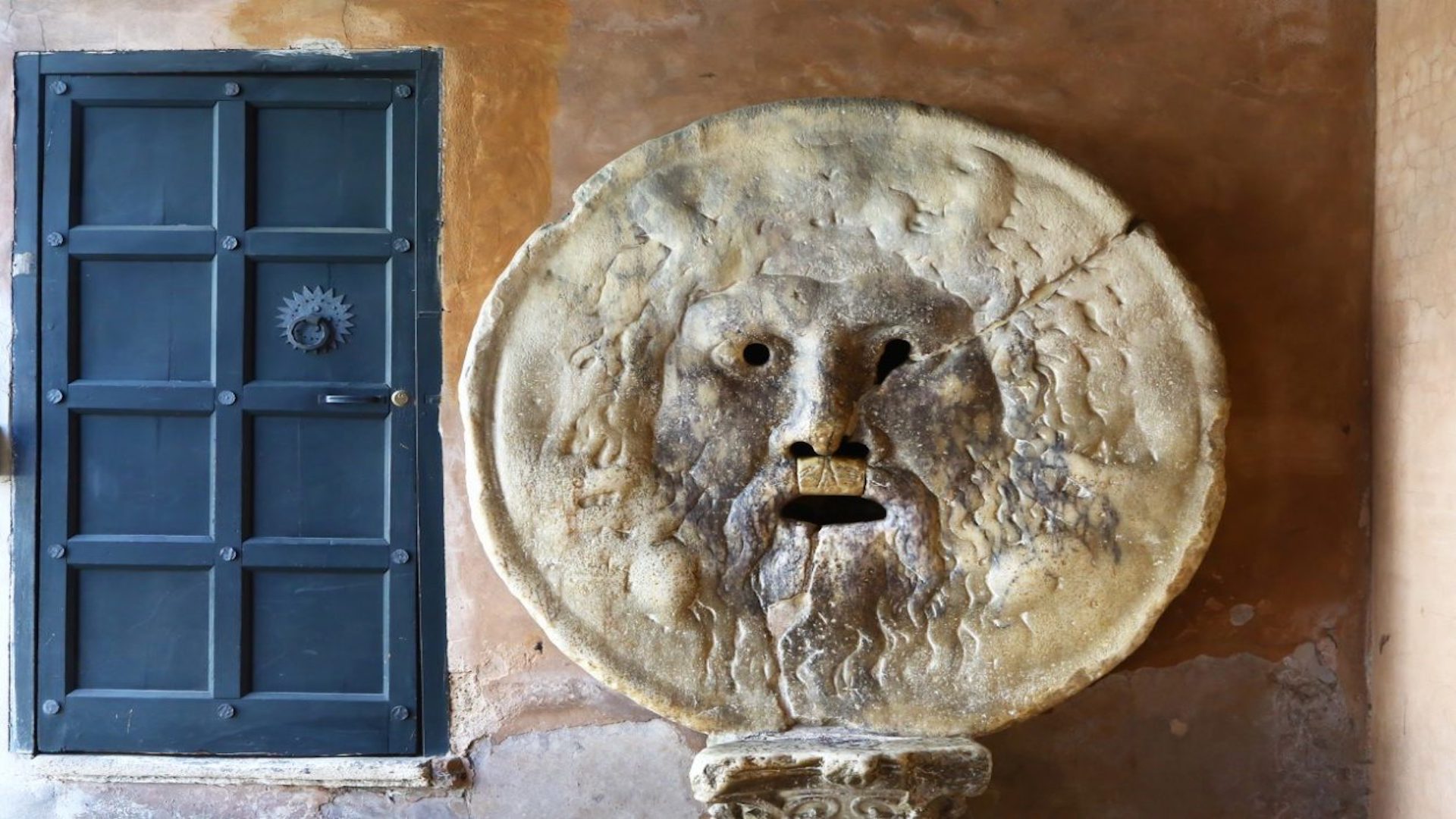
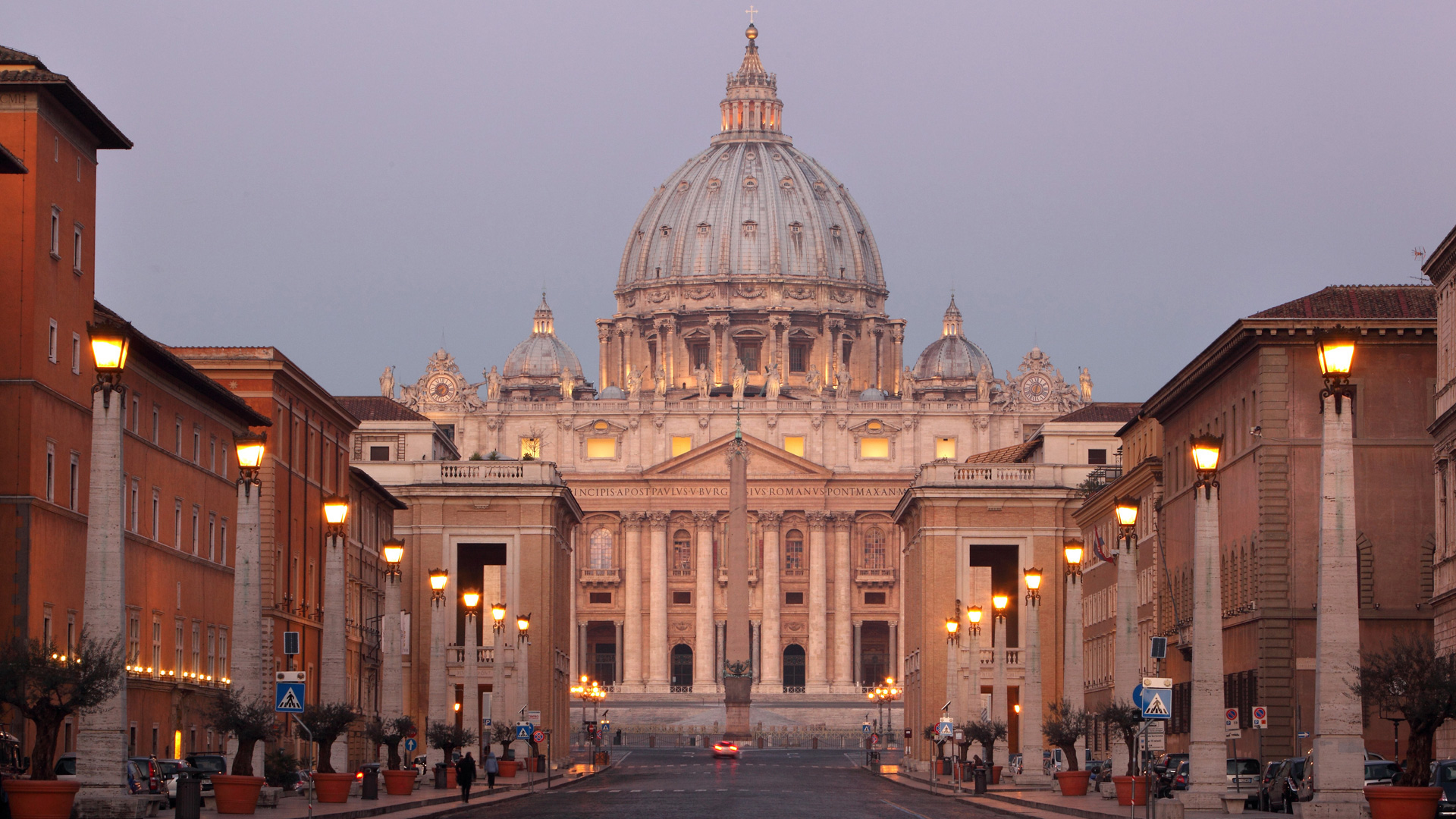
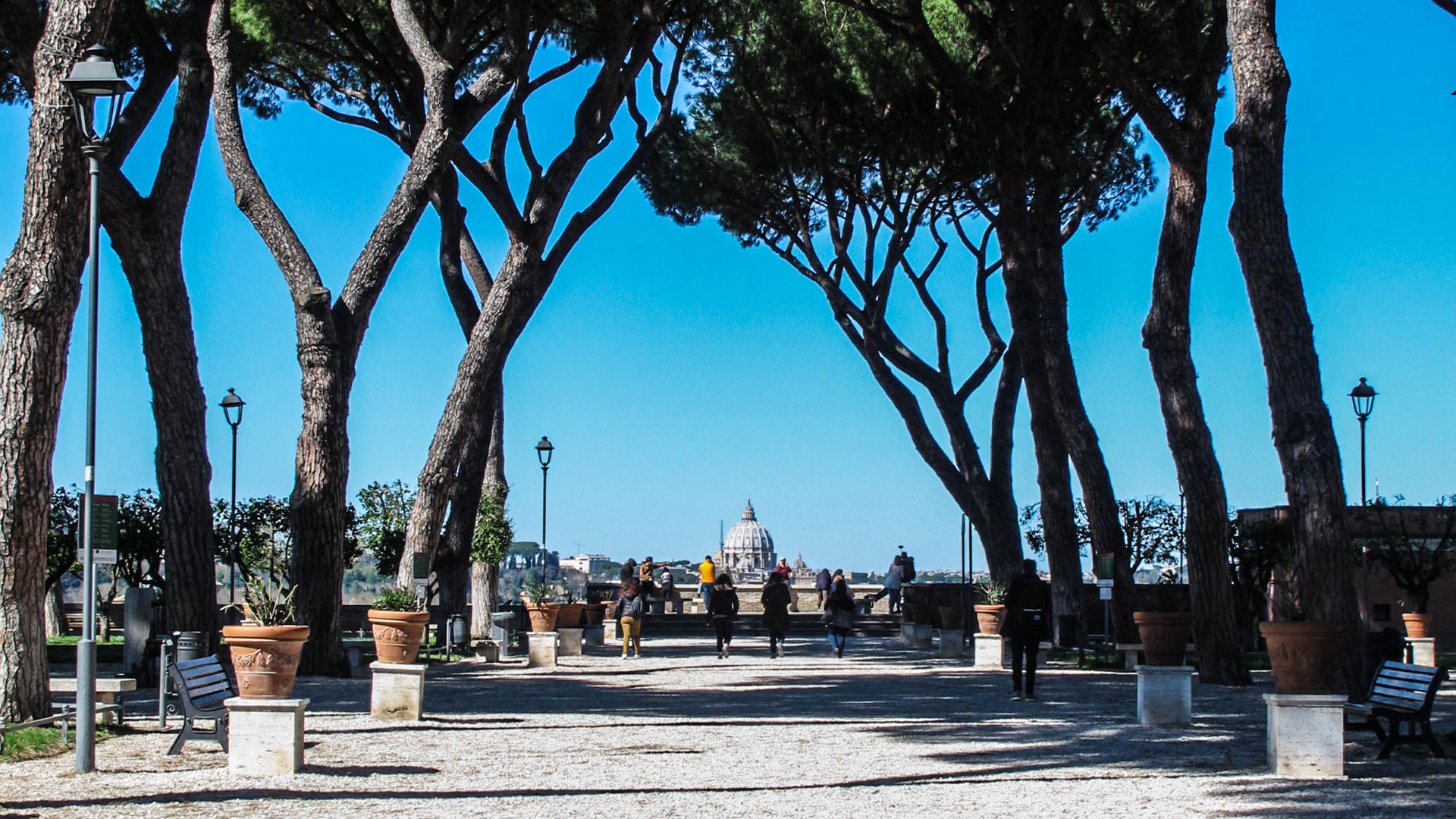
The hole in the portal at number 3 (the famous "hole in the keyhole") frames, at the end of a tree-lined avenue, the famous view of the dome of San Pietro.
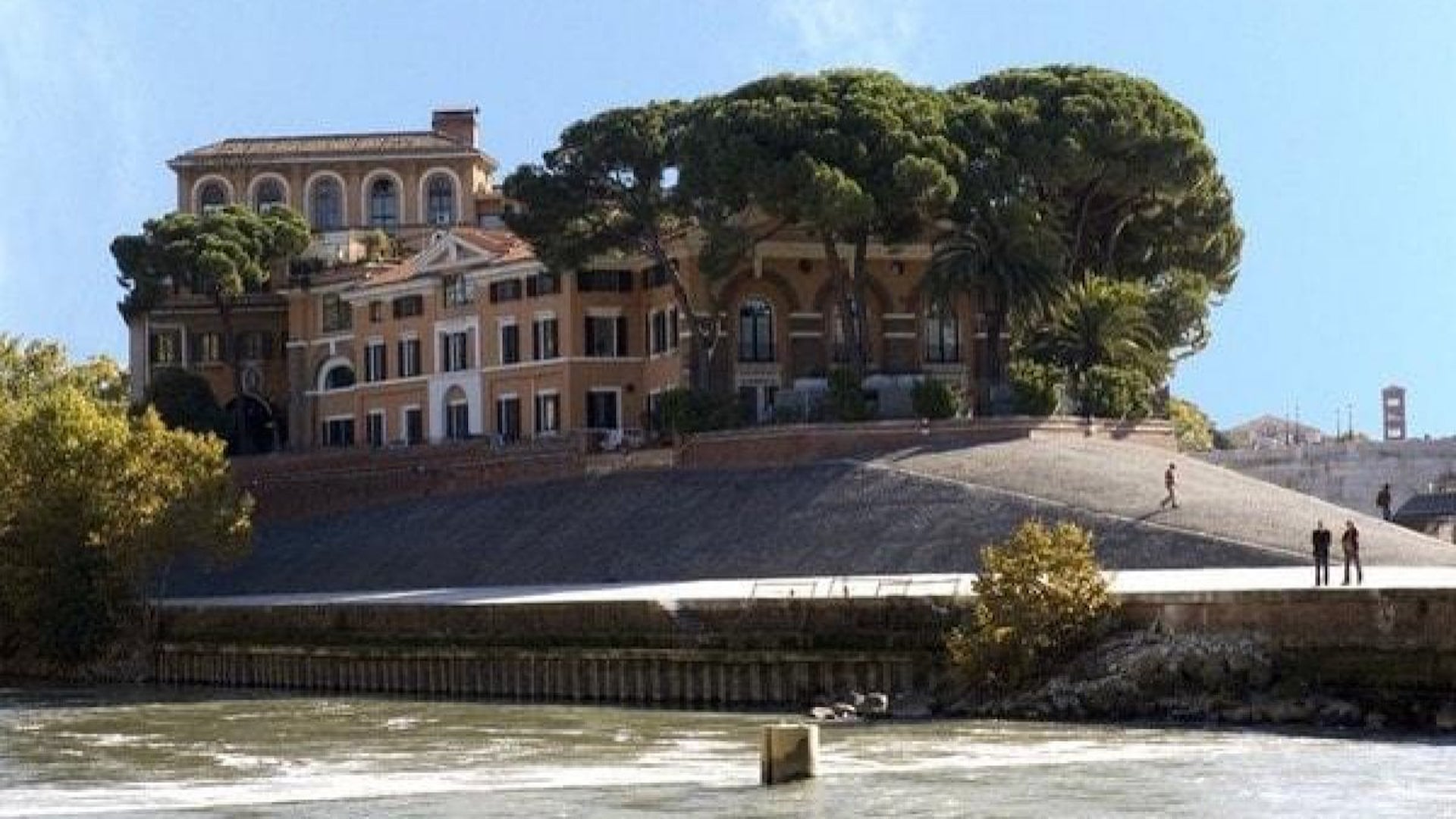
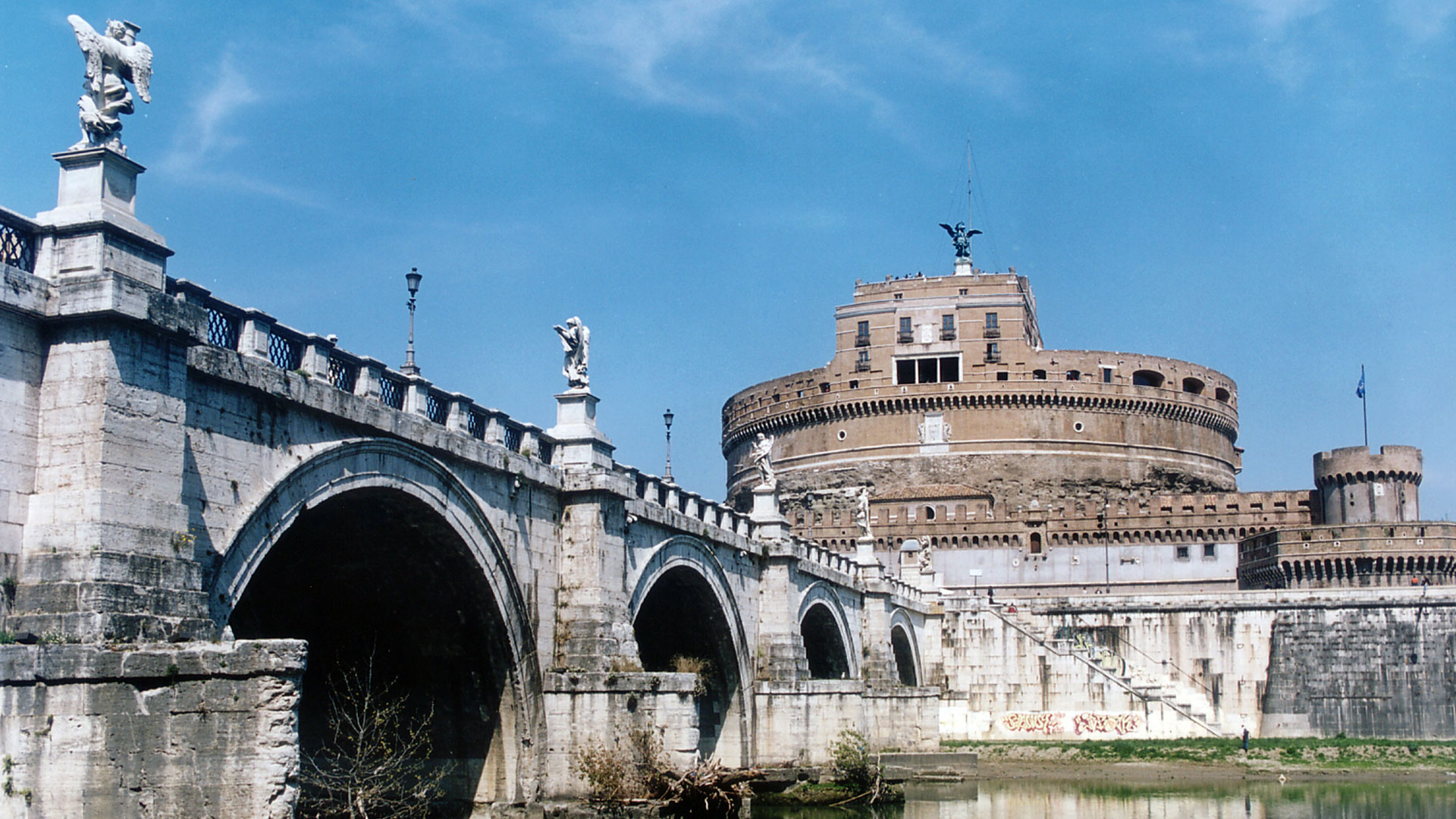
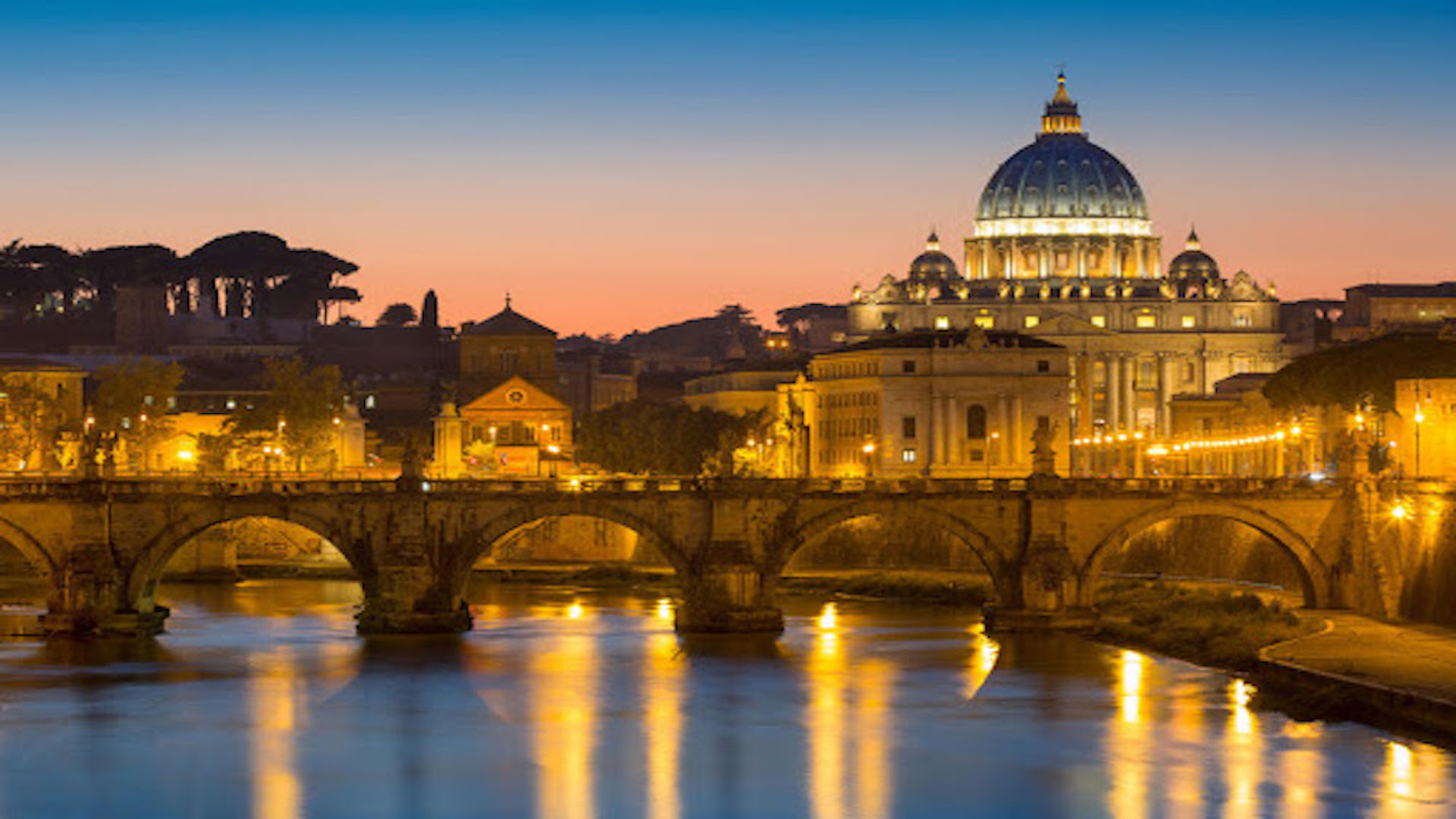
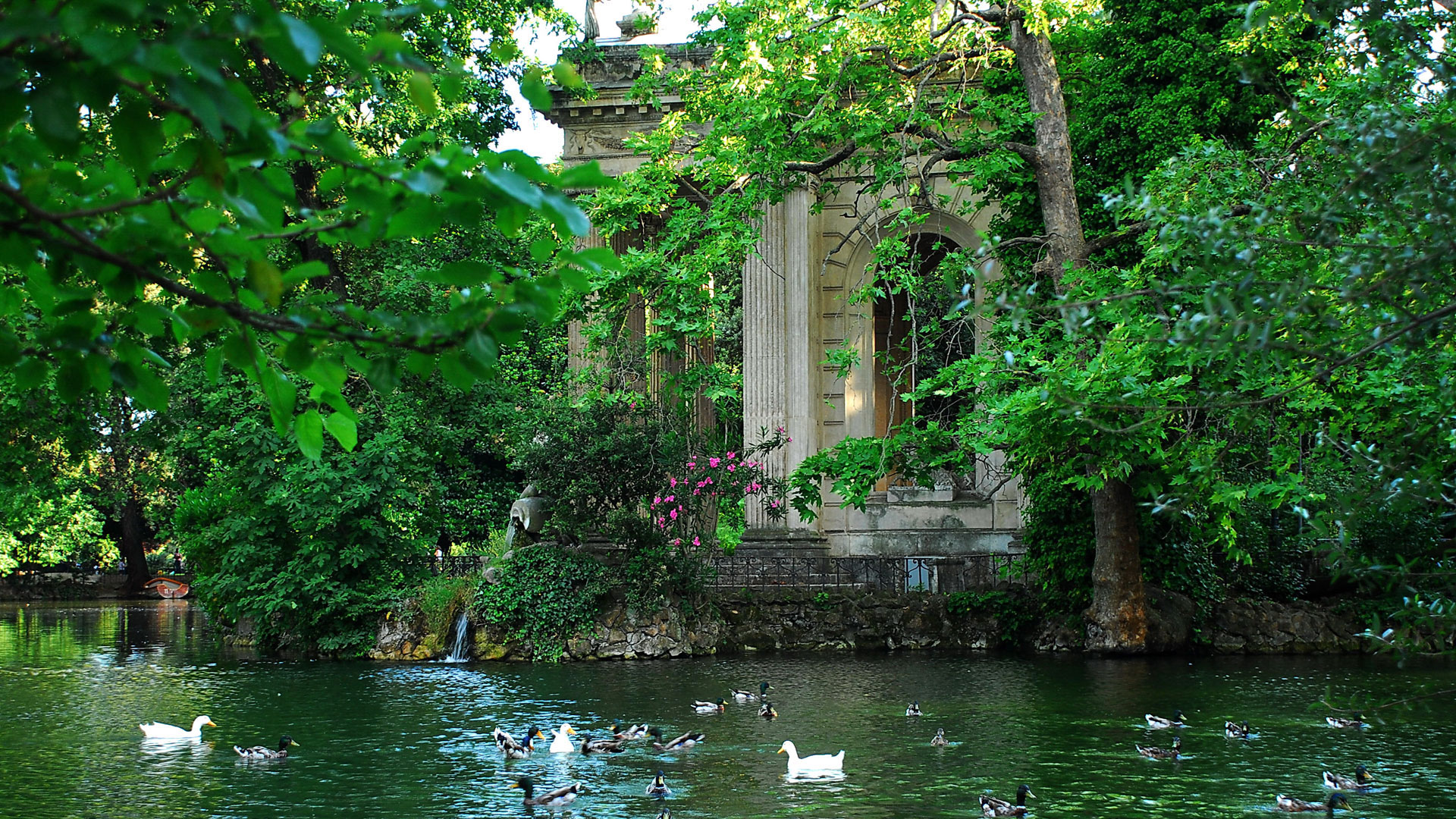
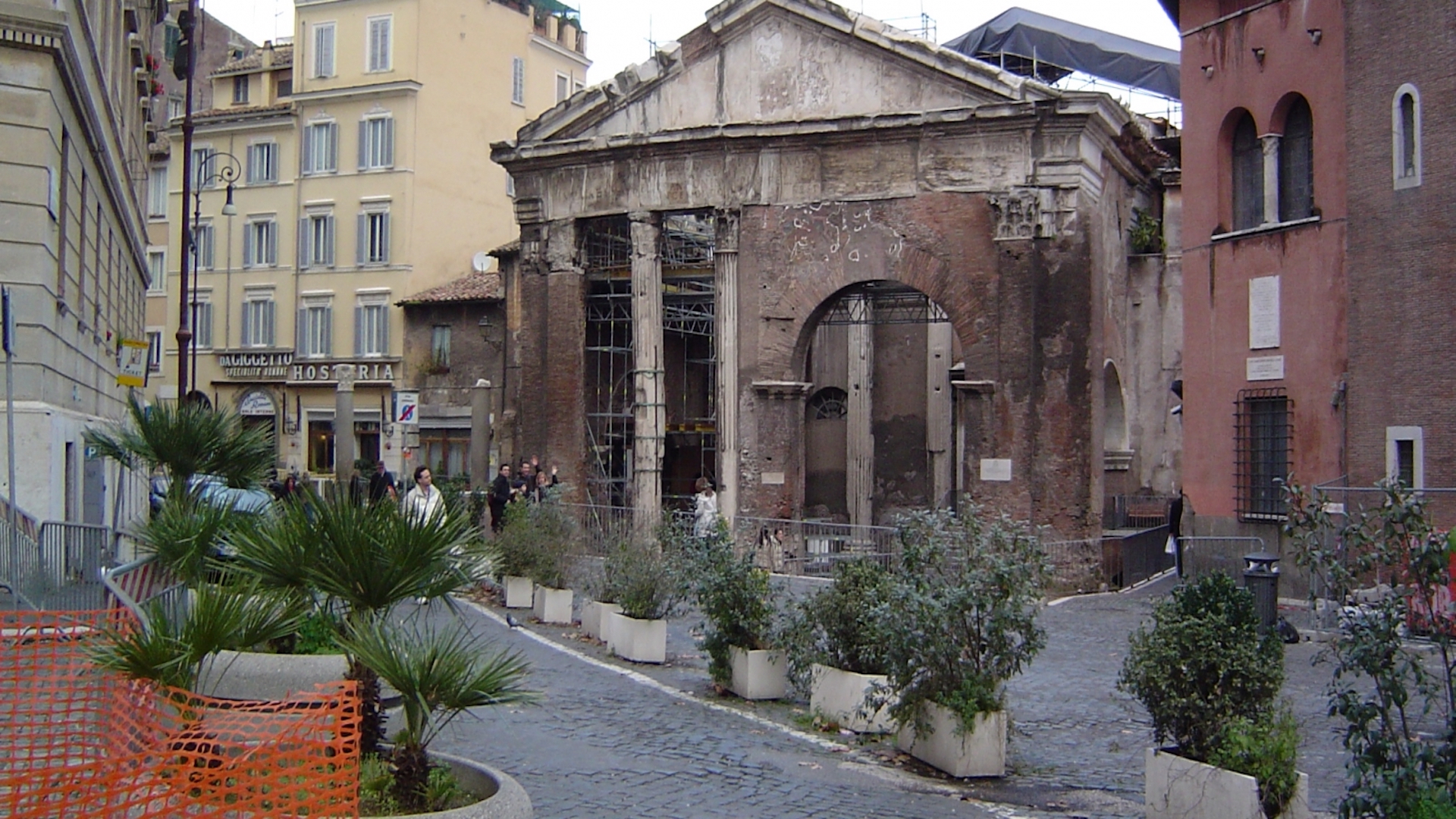
Walking along the Via di Santa Sabina, in the Piazza di Pietro d'Illiria you can access the suggestive Savello Park, better known as the "Orange Garden", from where you can admire Monte Mario and the Janiculum Hill in the distance. Below flows the Tiber which here runs alongside the vast complex of the former Apostolic Hospice of San Michele a Ripa Grande. Once the main port of the city was located here, where boats coming from the sea landed and which was destroyed when the walls were built to stem the periodic flooding of the river. On the right you can see the Tiber island, called by the ancient Romans the "Nave di Pietra" for its shape and dedicated by them to the god of medicine Aesculapius. On the Lungotevere, you can see the Synagogue, Temple and place of worship of the Roman Jews,
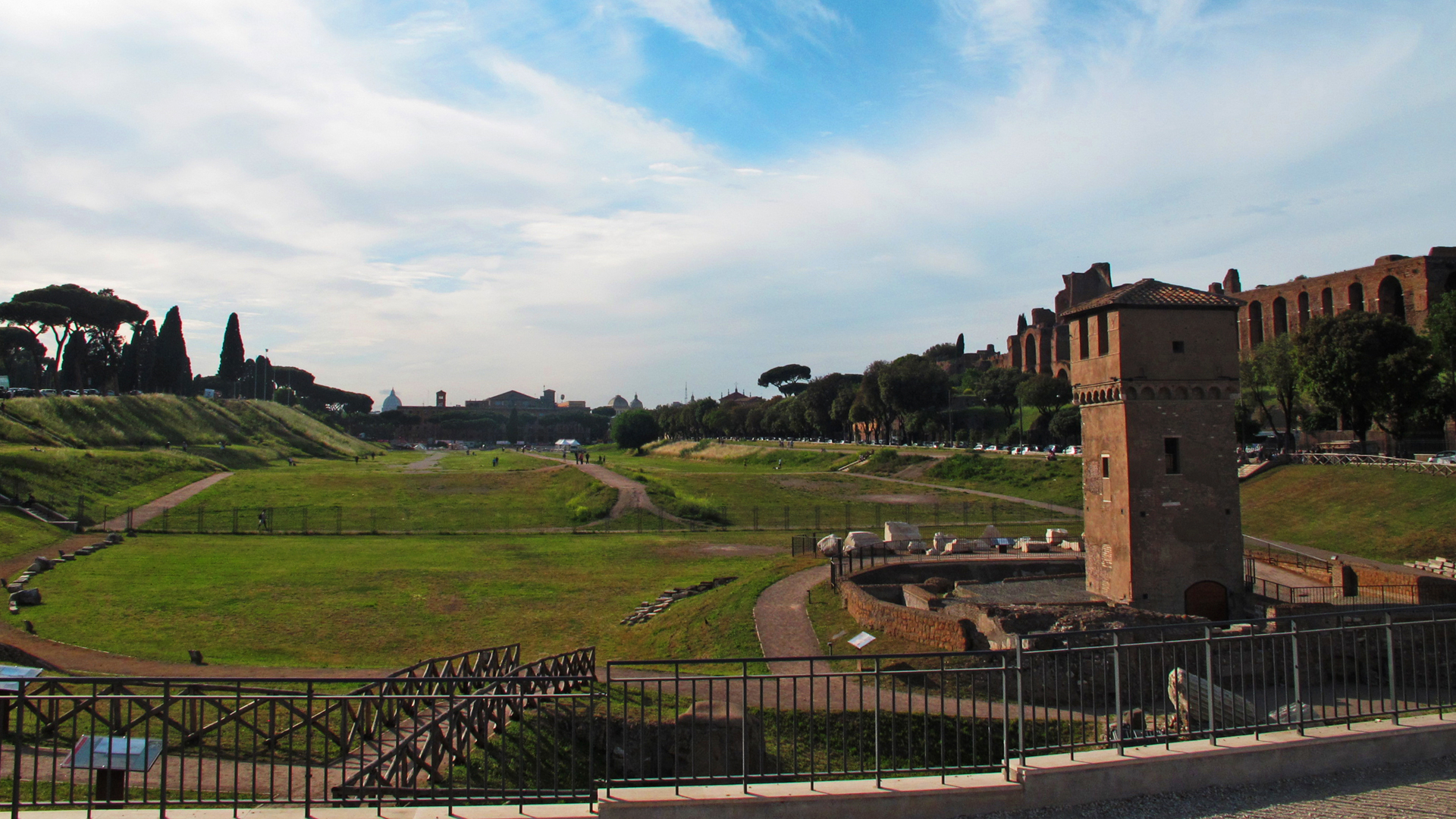
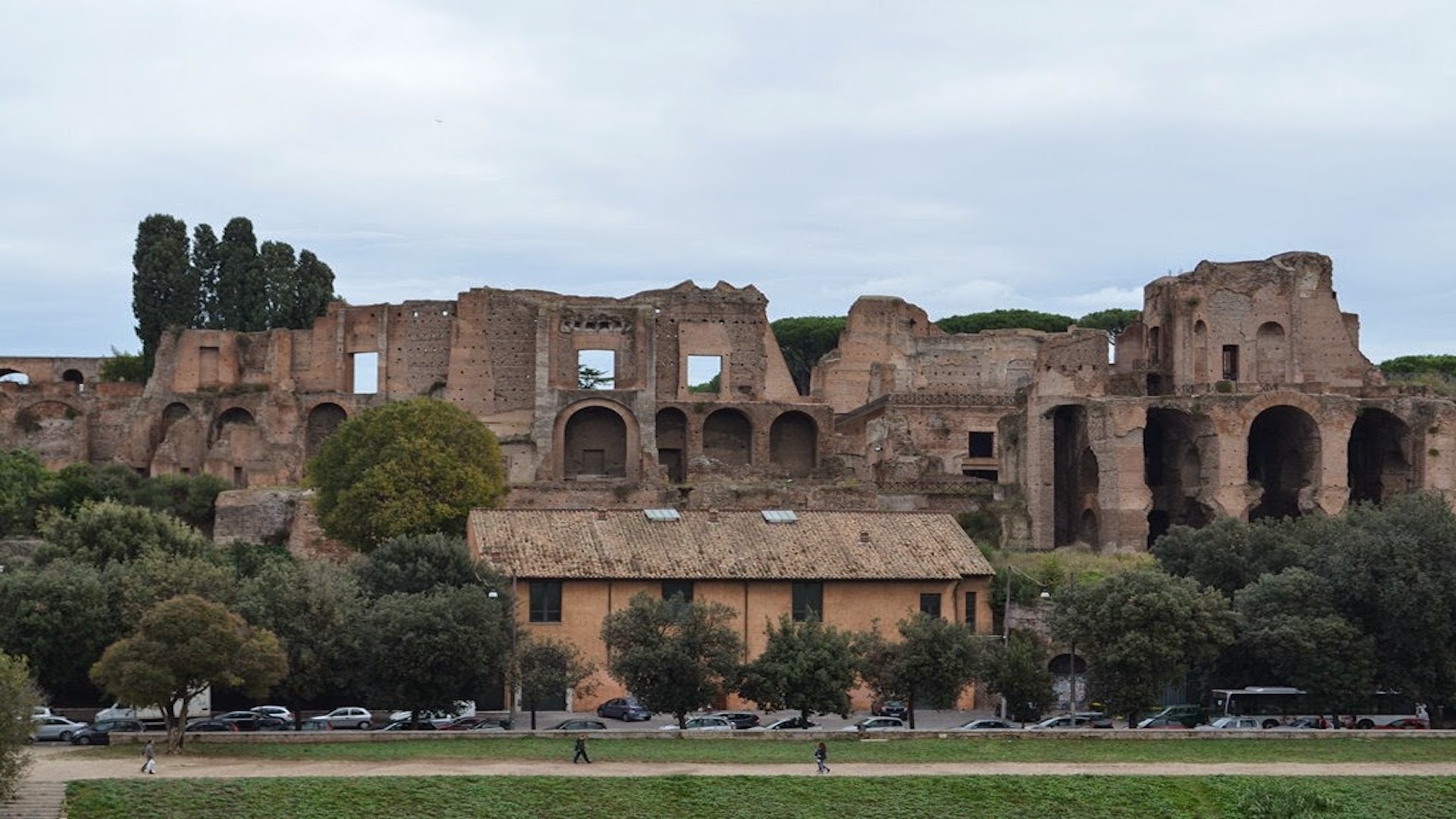
Going down from the hill towards piazzale Ugo La Malfa, at the level of the Municipal Rose Garden, the gaze is fixed on something exciting: Circus Maximus and Palatine, maximum examples of ancient games and past virtues, cancel everything else and take your breath away, illuminated by sunset light. The Circus Maximus extends over an area located in the valley between the Palatine and the Aventine; the current garden arrangement suggests the plan and the ancient intended use: the steps are represented by the sloping grassy surface, the track is that part that is now dirt and the spine is suggested by the long flowerbed in the center. On the Palatine Hill you can see the imposing structures of the Domus Augustana, home of the Emperor Domitian and his successors until the Byzantine period, a grandiose building praised for its splendor,