 70 Minutes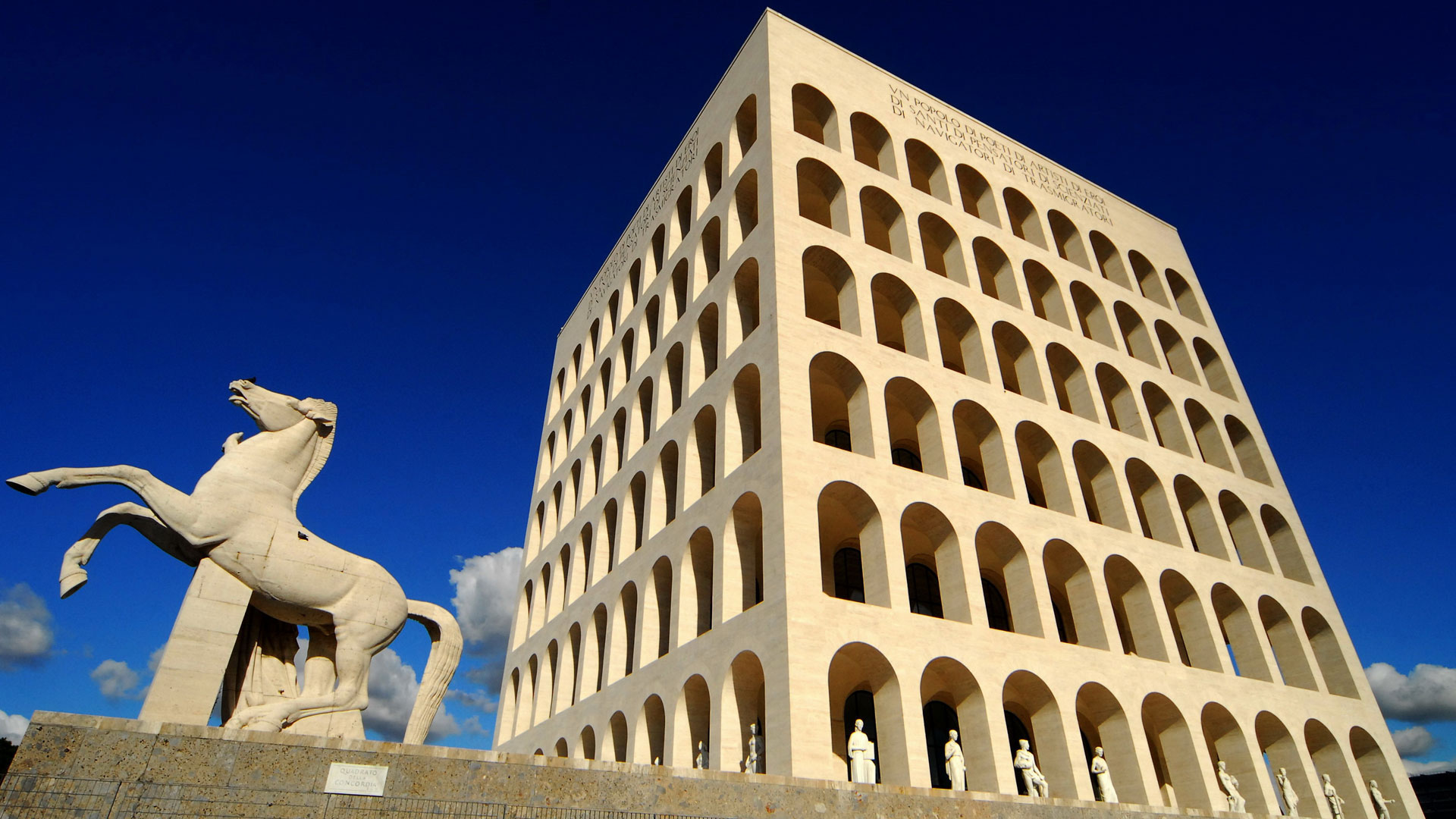
Designed to host the 1942 Roman Universal Exposition, never built due to the outbreak of the Second World War, the EUR district was built according to the canons of rationalist architecture and with abundant symbols of the then reigning regime. The area was chosen in anticipation of a building expansion of the city towards the coast.
The symbolic icon is the Palazzo della Civiltà Italiana, called by the Romans 'square Colosseum', an immense mass of travertine about 68 meters high, now in concession to the Maison Fendi which opens the rooms on the ground floor for temporary exhibitions.
Many buildings built on the rationalist model including the Palazzo dei Congressi by Adalberto Libera, the basilica of Saints Peter and Paul, the Marconi Obelisk, the State Archives as well as the palaces that house the collections of the Museum of Civilizations which includes : the Luigi Pigorini National Museum of Prehistoric Ethnography, the National Museum of Popular Arts and Traditions Lamberto Loria, the National Museum of the Early Middle Ages Alessandra Vaccaro and the National Museum of Oriental Art Giuseppe Tucci.
Today the EUR is a residential area, home to several public and private offices, characterized by many green areas, including the famous Pond with its promenade of Japan.
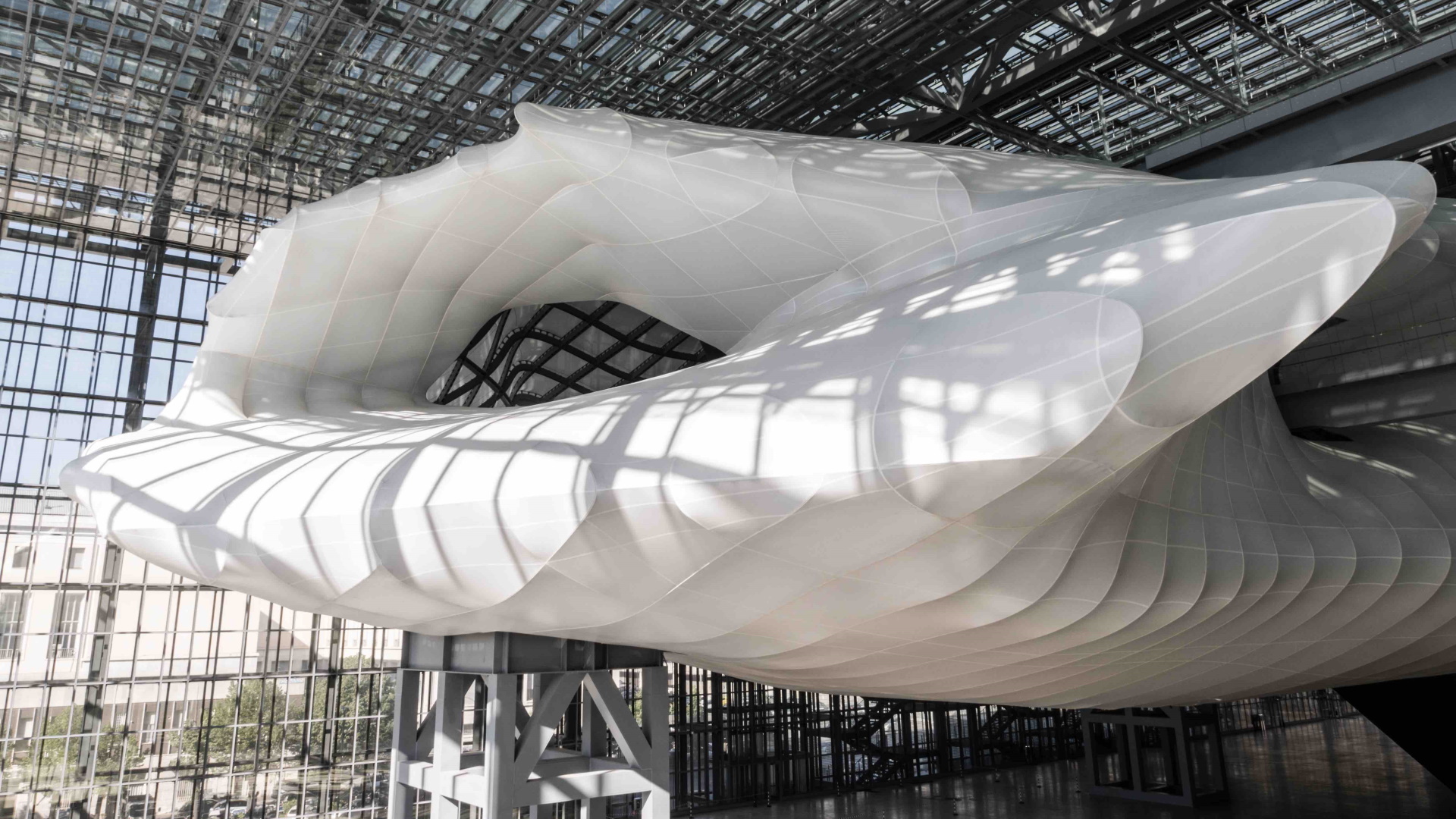
The most important and modern congress center in the city, La Nuvola Convention Center, is also located here.
The area has been used as an outdoor set for many films, including films by the masters Fellini and Antonioni, and continues to be chosen for contemporary television and film productions.